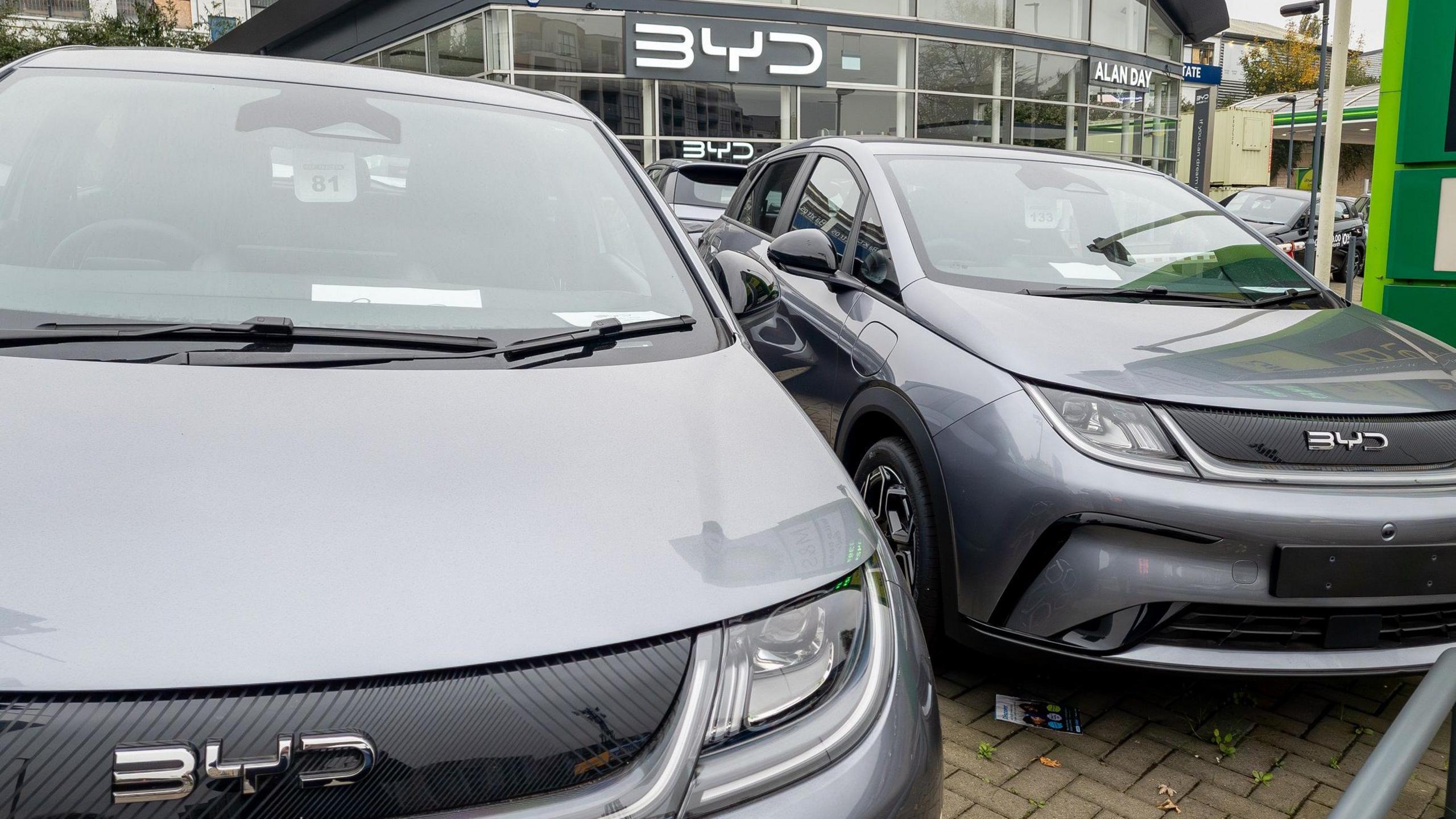

In recent years, the automotive industry in the United Kingdom has undergone a noticeable transformation. One of the most striking developments is the increasing presence of vehicles manufactured in China on British roads. What was once an emerging trend has now become a significant shift: approximately one in every ten new cars sold in the UK originates from Chinese factories. This change highlights not only the evolving landscape of the global car market but also the growing influence of Chinese automakers on international consumer choices.
The steady rise of Chinese-made cars in the UK is the result of several factors, including advancements in technology, competitive pricing, and the rapid growth of the electric vehicle (EV) sector. While Chinese manufacturers were once perceived as offering lower-quality products, that perception has changed considerably over the last decade. Today, many Chinese automotive brands are gaining recognition for their innovation, affordability, and commitment to sustainability.
A major contributor to this growth has been the increasing demand for electric vehicles. Chinese car manufacturers have made substantial investments in EV technology, allowing them to produce models that compete favorably with established European, Japanese, and American brands. This commitment to electrification aligns with the UK government’s push for greener transportation options and the planned phase-out of new petrol and diesel cars by 2035.
Additionally, Chinese automakers have strategically partnered with global automotive giants, further enhancing their visibility and credibility in international markets. Some of these collaborations involve joint ventures, technology sharing, and design partnerships, which have enabled Chinese companies to refine their products and meet the quality standards expected by Western consumers.
Beyond electric vehicles, Chinese brands have also made strides in offering a wide range of car models that appeal to different market segments. From compact city cars to larger family SUVs, these vehicles often come equipped with advanced features and modern designs at a price point that is more accessible compared to traditional European models. This competitive edge has attracted budget-conscious consumers as well as environmentally minded buyers looking for affordable electric alternatives.
The growth of cars manufactured in China faces certain obstacles. A number of buyers remain hesitant because of persistent worries about lasting dependability, brand image, and the accessibility of maintenance facilities and replacement parts. Nevertheless, with more Chinese companies setting up presence in the UK and other European regions, these issues are slowly being resolved through enhanced customer service and broader dealership networks.
Moreover, the automotive market in the UK is becoming increasingly diverse, with consumers more open than ever to exploring options beyond traditional household names. This openness has created an environment where new entrants, including those from China, can compete on a more level playing field.
The international aspect of automobile production is also influencing this transition. Numerous prominent Western car manufacturers already construct a large share of their automobiles in China for distribution to different regions. Consequently, the line between «local» and «international» production is becoming increasingly blurred. Customers are becoming more comfortable with using cars put together in nations distant from theirs, as long as the quality and performance align with their standards.
Looking ahead, the presence of Chinese-made cars in the UK is expected to continue expanding. The global focus on sustainability, combined with the affordability and availability of Chinese electric vehicles, positions these manufacturers well for future growth. It is likely that, as technology continues to evolve and infrastructure for electric vehicles improves, Chinese automakers will gain an even stronger foothold in the British market.
This shift also mirrors wider patterns in international commerce and production. The increase in Chinese goods across multiple industries, from gadgets to household items, has now significantly impacted the automotive industry. Similar to the way consumers have become familiar with electronics, home appliances, and other tech products manufactured in China, they are now increasingly considering vehicles made in China as an appealing and practical choice.
For those purchasing automobiles in the UK, this transition presents new possibilities. Greater market competition can result in lower prices, a wider array of options, and quicker technological advancements. Customers might discover that Chinese manufacturers provide features and technologies that used to be exclusive to luxury models, making advanced driving experiences more accessible.
It is also worth noting that Chinese car manufacturers are not only focusing on volume but are also investing in quality and design. Many are working with internationally renowned designers and engineers to create vehicles that appeal to global tastes. This focus on aesthetics, comfort, and performance is helping to reshape public perception and position Chinese brands as serious contenders in the automotive world.
With the United Kingdom progressing in its pursuit of greener transportation solutions, backed by government initiatives to promote low-emission vehicles, Chinese automobile manufacturers are poised to gain from this advantageous policy setting. Their robust standing in the electric vehicle sector provides them with a significant edge, particularly as the need for environmentally friendly transportation increases.
The fact that one in ten cars sold in the UK is now made in China is a clear sign of how the automotive industry is evolving. What was once unthinkable has become reality, and this change is only set to accelerate. Chinese car manufacturers have proven that with the right mix of technology, pricing, and innovation, they can capture significant market share even in traditionally competitive markets like the UK.
For consumers, this new reality offers more choices and greater accessibility to the latest automotive technologies. For the industry, it signals a future where collaboration, innovation, and global competition will shape the cars we drive. And for Chinese automakers, it marks the beginning of a new chapter as they become an integral part of the global automotive landscape.



.jpg "Guía completa para redactar un contrato de compraventa en Panamá")