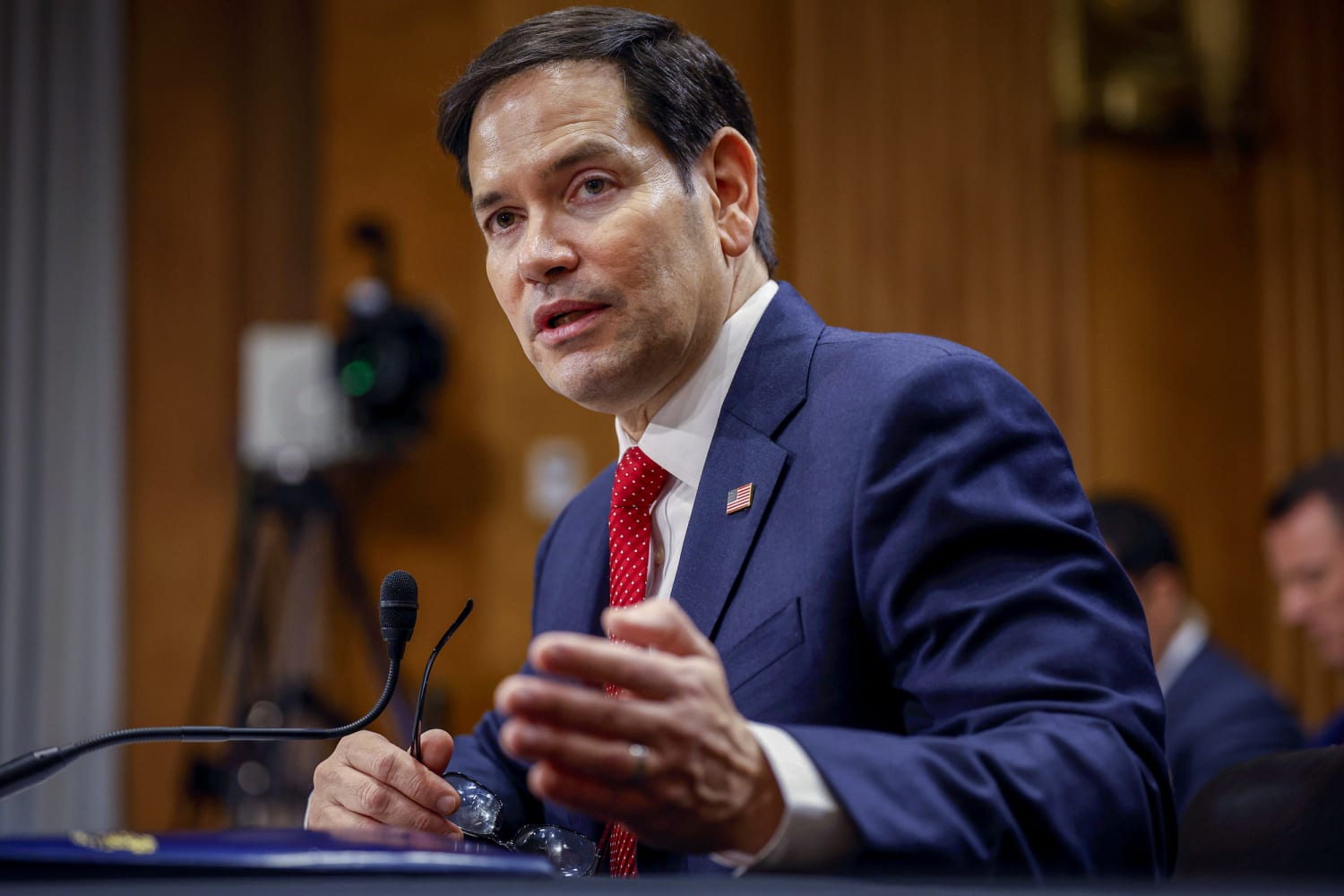

In a striking example of the growing risks associated with artificial intelligence, an unknown individual reportedly used AI tools to impersonate U.S. Senator Marco Rubio and reached out to foreign government officials. This incident, which involved digital deception at an international level, underscores the evolving challenges that come with the rapid advancement of artificial intelligence and its misuse in political and diplomatic contexts.
The impersonation has attracted the attention of both security specialists and political commentators, as it involved the creation of AI-generated messages designed to replicate Senator Rubio’s identity. These fake communications were targeted at foreign ministers and senior officials, intending to fabricate the appearance of authentic exchanges from the Florida senator. Although the exact details of these messages have not been publicly revealed, it has been reported that the AI-induced trickery was sufficiently believable to initially alarm recipients before being exposed as a hoax.
Instances of online identity theft aren’t a recent development, yet the inclusion of advanced artificial intelligence technologies has greatly expanded the reach, authenticity, and possible consequences of these threats. In this scenario, the AI platform seems to have been used not just to mimic the senator’s writing style but possibly other personal characteristics, like signature formats or even vocal nuances, although verification on the use of voice deepfakes hasn’t been confirmed.
El incidente ha reavivado el debate acerca de las implicaciones de la inteligencia artificial en la ciberseguridad y las relaciones internacionales. La capacidad de los sistemas de IA para crear identidades o comunicaciones falsas altamente creíbles representa una amenaza a la integridad de los canales diplomáticos, generando preocupaciones sobre cómo los gobiernos e instituciones pueden protegerse contra tales manipulaciones. Dada la naturaleza delicada de las comunicaciones entre figuras políticas y gobiernos extranjeros, la posibilidad de que la desinformación generada por IA se infiltre en estos intercambios podría tener importantes consecuencias diplomáticas.
As AI evolves, it becomes harder to distinguish genuine digital identities from fake ones. The rise of AI used for harmful impersonation is a significant issue for those in cybersecurity. AI systems can now generate text resembling human writing, artificial voices, and convincing video deepfakes, leading to potential misuse ranging from minor fraudulent activities to major political meddling.
In this specific instance where Senator Rubio was impersonated, it acts as a significant reminder that even well-known public figures can fall victim to these dangers. This situation also underscores the necessity of digital verification procedures in political discourse. As conventional methods of verification, like email signatures or familiar writing patterns, become susceptible to reproduction by AI, there is an immediate demand for stronger security strategies, such as biometric verification, blockchain-based identity tracking, or sophisticated encryption techniques.
The impersonator’s exact motives remain unclear. It is not yet known whether the goal was to extract sensitive information, spread misinformation, or disrupt diplomatic relations. However, the event demonstrates how AI-driven impersonation can be weaponized to undermine trust between governments, sow confusion, or advance political agendas.
The U.S. government and its allies have already recognized the emerging threat of AI manipulation in both domestic and international arenas. Intelligence agencies have warned that artificial intelligence could be used to influence elections, create fake news stories, or conduct cyber espionage. The addition of political impersonation to this growing list of AI-driven threats calls for urgent policy responses and the development of new defensive strategies.
Senator Rubio, recognized for his involvement in discussions about international relations and national safety, has not publicly provided a detailed comment regarding this particular event. Nevertheless, he has earlier voiced his worries about the geopolitical threats linked to new technologies, such as artificial intelligence. This situation further contributes to the overall conversation about how democratic systems need to adjust to the issues presented by digital misinformation and synthetic media.
Internationally, the use of AI for political impersonation presents not only security challenges but also legal and ethical dilemmas. Many nations are still in the early stages of drafting regulations around the responsible use of artificial intelligence. Current legal frameworks are often insufficient to address the complexities of AI-generated content, especially when it is used in cross-border contexts where jurisdictional boundaries complicate enforcement.
Falsifying the identities of political leaders is particularly worrisome due to the possibility that such scenarios could lead to international conflicts. A fake message that appears to come from a legitimate governmental figure, if distributed at a strategic moment, might result in tangible outcomes such as diplomatic tensions, trade sanctions, or even more severe repercussions. This threat highlights the importance of global collaboration in implementing guidelines for AI technology use and creating mechanisms for the quick authentication of crucial communications.
Cybersecurity professionals emphasize that while technical solutions are essential, human awareness remains a critical line of defense. Training officials, diplomats, and other stakeholders to recognize signs of digital manipulation can help mitigate the risk of falling victim to such schemes. Additionally, organizations are being encouraged to adopt multi-layered authentication systems that go beyond easily replicated identifiers.
This event involving Senator Rubio’s impersonation is not the first time that AI-driven deception has been used to target political or high-profile individuals. In recent years, there have been multiple incidents involving deepfake videos, voice cloning, and text generation aimed at misleading the public or manipulating decision-makers. Each case serves as a warning that the digital landscape is changing, and with it, the strategies required to defend against deception must evolve.
Specialists foresee that with the growing accessibility and user-friendliness of AI, both the occurrence and complexity of these types of attacks will continue to rise. Open-source AI frameworks and readily accessible tools reduce the entry threshold for harmful individuals, allowing even those with minimal technical skills to carry out campaigns of impersonation or misinformation.
To combat these threats, several technology companies are working on AI detection tools capable of identifying synthetic content. At the same time, governments are beginning to explore legislation aimed at criminalizing the malicious use of AI for impersonation or disinformation. The challenge lies in balancing innovation and security, ensuring that beneficial applications of AI can thrive without opening the door to exploitation.
This latest incident underscores the importance of public awareness around digital authenticity. In an environment where any message, video, or voice recording could potentially be fabricated, critical thinking and cautious evaluation of information are more important than ever. Users, whether individuals or institutions, must adapt to this new reality by verifying sources, questioning unusual communications, and implementing preventive measures.
For governmental bodies, the consequences are especially significant. Confidence in messaging, both within and outside the organization, is crucial for successful governance and international relations. The deterioration of this trust due to AI interference might significantly impact national safety, global collaboration, and the solidity of democratic institutions.
As governments, corporations, and individuals grapple with the consequences of artificial intelligence misuse, the need for comprehensive solutions becomes increasingly urgent. From the development of AI detection tools to the establishment of global norms and policies, addressing the challenges of AI-driven impersonation requires a coordinated, multi-faceted approach.
The impersonation of Senator Marco Rubio using artificial intelligence is not just a cautionary tale—it is a glimpse into a future where reality itself can be easily forged, and where the authenticity of every communication may come into question. How societies respond to this challenge will shape the digital landscape for years to come.