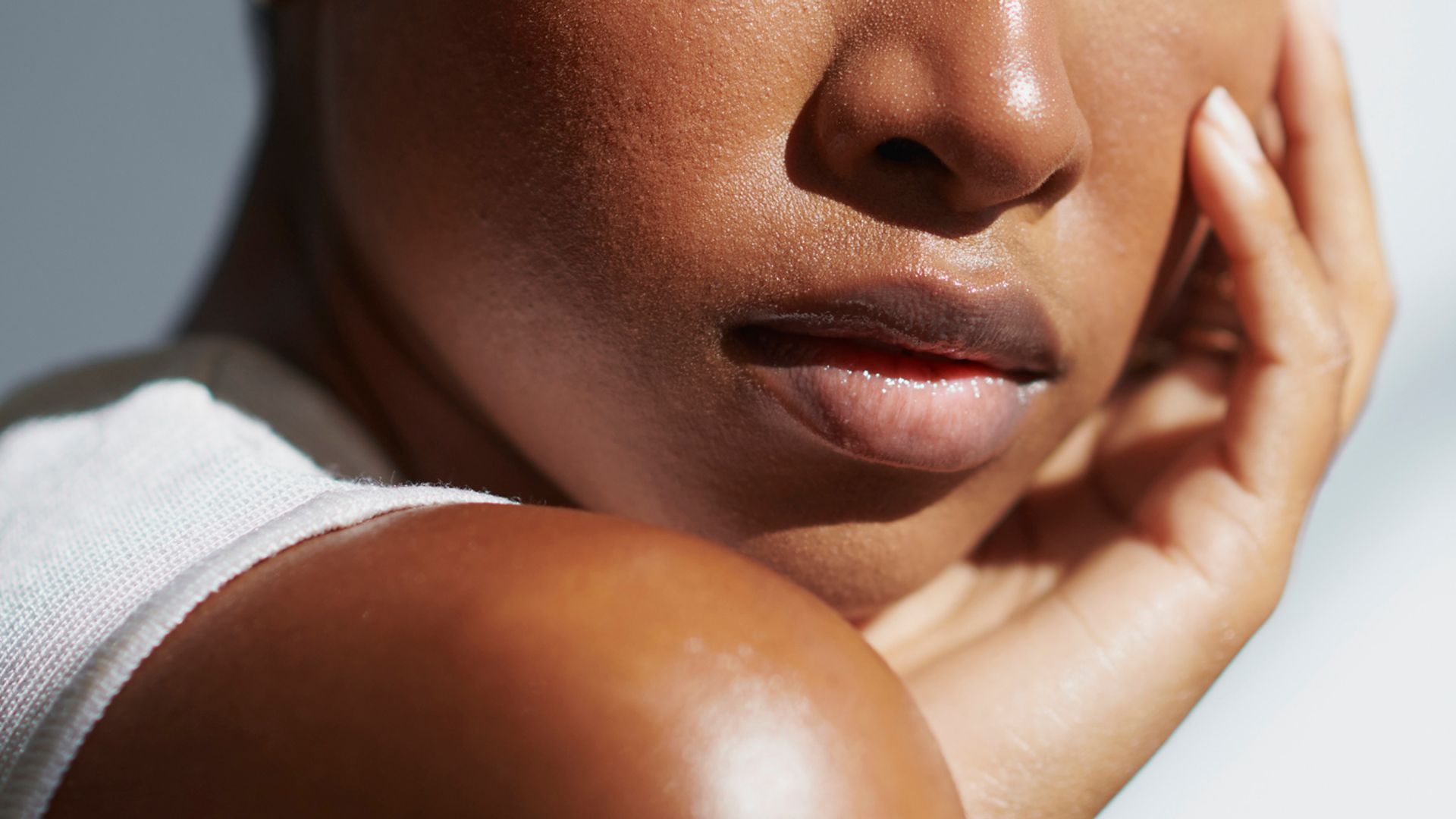
The fashion industry has always been a reflection of culture, identity, and change. But in recent years, a powerful shift has been unfolding behind the scenes and on the runways: women designers are not just influencing trends—they are transforming the industry itself. With fresh perspectives, bold ideas, and a commitment to inclusivity, sustainability, and innovation, these designers are leading fashion into a new era—one where female voices are central to the narrative.
Historically, the fashion industry has presented a paradox by viewing women as both inspirations and buyers while frequently denying them leadership positions within major fashion establishments. For many years, the most renowned figures in high fashion and accessible attire were men, despite women being the primary wearers and admirers of their designs. This dynamic is experiencing a swift transformation. Nowadays, an increasing number of women are not only leading their own labels but are also reshaping the appearance, principles, and objectives of the fashion world.
The rise of female designers marks a significant cultural and economic evolution. These creators are challenging norms, broadening representation, and designing for real people with diverse bodies, backgrounds, and stories. They’re pushing past the narrow definitions of beauty that have long dominated the industry and offering clothing that empowers rather than objectifies.
Many of today’s most talked-about collections are coming from women who have infused their personal experiences and values into their work. Whether through tailoring that prioritizes comfort and movement, textiles that highlight heritage, or business models rooted in equity, these designers are proving that fashion can be both visionary and responsible.
One major thread running through this transformation is the emphasis on sustainability. Women-led brands are frequently at the forefront of ethical fashion, advocating for circular production models, small-batch craftsmanship, and environmentally responsible sourcing. Rather than chasing fast fashion’s pace, these designers prioritize longevity and intention. They are not just reacting to the climate crisis; they are reimagining what fashion can be in a world that demands accountability.
Diversity and inclusion are also key pillars of this new direction. Many women in fashion today are leveraging their platforms to address underrepresentation and advocate for change. Designers of color, LGBTQ+ creators, and individuals from marginalized communities are gaining greater visibility—and they’re using their collections to tell powerful stories about identity, resistance, and belonging. These perspectives are not only enriching the fashion landscape; they’re challenging the industry’s historic gatekeeping.
Technology and innovation play another role in the growing influence of women in fashion. Female designers are embracing digital tools to reach global audiences, from virtual fashion shows to e-commerce platforms and social media storytelling. This digital fluency allows them to build communities and redefine the traditional relationship between designer and consumer. Through direct engagement, many are fostering brand loyalty not just through aesthetics but through values and shared purpose.
Collaboration signifies a key feature of this recent movement. Rather than sticking to traditional ideas of rivalry, numerous women in the field are creating supportive connections—exchanging resources, guiding new talent, and applauding each other’s achievements. This transition towards community instead of hierarchy is not only invigorating; it’s transforming the model of how fashion brands can expand and succeed.
And it’s not solely independent labels causing a stir. More and more, women designers are being entrusted with the leadership of well-known luxury brands, infusing traditional fashion houses with fresh perspectives. Their impact is visible in collections that appear more practical, accessible, and emotionally engaging—demonstrating a profound comprehension of the changing demands of contemporary consumers.
Este cambio también se extiende a la moda masculina, con diseñadoras reinterpretando las siluetas masculinas desde una perspectiva más inclusiva y avanzada. Al hacerlo, están cuestionando las bases mismas de la moda de género y proponiendo formas de vestir más fluidas y expresivas que reflejan un espectro más amplio de identidades.
While the fashion world still has a long way to go in terms of equality, the growing presence and recognition of women designers mark a pivotal moment. Their leadership is not just about achieving parity; it’s about fundamentally reimagining what the industry can be—creative, compassionate, conscious, and inclusive.
In the coming times, it’s evident that the upcoming phase of fashion will be influenced by various female perspectives who boldly question norms, emphasize underrepresented narratives, and carve out innovative routes ahead. These creators go beyond merely setting trends—they are pioneers crafting a more considerate and revolutionary field. As their prominence grows, their influence resonates well beyond the fashion shows, sparking a worldwide change in our perception of style, influence, and intent within the fashion realm.