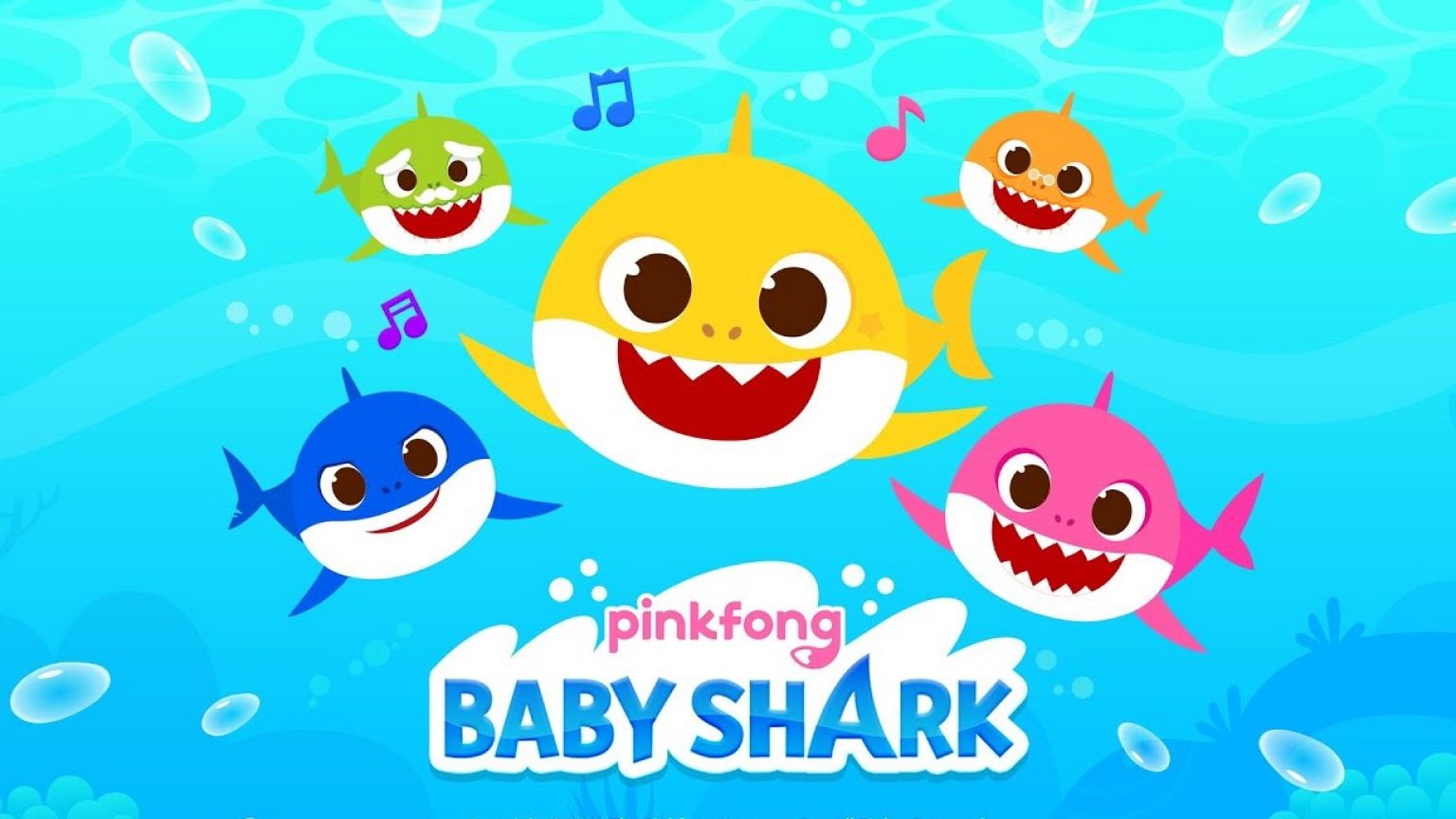

South Korea’s top judiciary has determined that the internationally famous children’s tune «Baby Shark» is an authentic creation and was not copied from another composer’s work. This judgment conclusively concludes a prolonged legal dispute over the intellectual property rights of the popular song. The court’s decision confirms that the creators of the song did not violate any pre-existing copyrights, thereby recognizing the originality of their musical piece.
The legal battle began when a songwriter claimed that the tune and composition of «Baby Shark» were taken from a song he composed many years ago. This allegation triggered an extensive legal journey through several courts in South Korea. The complainant asserted that the likeness between the two pieces of music was too extensive to be accidental, implying an intentional replication without appropriate acknowledgment or permission.
During the court proceedings, both parties presented detailed evidence to support their claims. The composer’s legal team provided expert analysis and musical scores to highlight the alleged similarities in key melodic phrases and rhythmic patterns. They argued that these resemblances were proof of copyright infringement. In contrast, the defense, representing Pinkfong, the company behind the song, contended that any similarities were either generic or part of the public domain, which are common features in simple children’s songs.
The legal journey saw a series of conflicting decisions. The initial courts found in favor of the composer, but this was later overturned by the appellate court. This back-and-forth highlighted the complex nature of copyright law, especially when dealing with simple, repetitive musical compositions. The judiciary had to meticulously evaluate the evidence to determine if the similarities crossed the line from a coincidental resemblance to a genuine violation of intellectual property.
The Supreme Court’s ultimate verdict emerged from an extensive examination of both pieces. The jury determined that despite a few surface-level resemblances, «Baby Shark» included enough novel components to be acknowledged as a separate and unique creation. They observed that the song’s particular orchestration, lyrics, and general artistic expression were adequately distinct from the claimant’s work. This groundbreaking ruling offers a definitive guideline for upcoming copyright disputes concerning basic tunes and aids in distinguishing between influence and piracy.
El fallo representa un triunfo importante para Pinkfong y su empresa matriz, SmartStudy. Afianza los derechos de propiedad intelectual de su creación más conocida, eliminando cualquier incertidumbre legal que había estado rondando la canción. «Baby Shark» se ha convertido en un fenómeno cultural mundial, con miles de millones de visitas en plataformas como YouTube y un vasto imperio de merchandising. El desafío legal tenía el potencial de poner en riesgo este éxito, por lo que la decisión final del tribunal es crucial para el futuro de la compañía.
The case also highlights the challenges encountered by creators in today’s media landscape. With unlimited content readily accessible, producing something wholly original becomes more difficult. This decision offers a detailed view of what qualifies as plagiarism, especially for songs that might include basic, shared components. The court’s decision indicates that an artist can incorporate common musical concepts and still develop a protected, original piece if the new work has its own distinct character and expression.
The music and entertainment sectors have been attentively observing this case, given its wider ramifications for copyright regulations. The ruling specifies that establishing plagiarism entails more than a mere resemblance. It necessitates proof of an exact duplication or a notable absence of creativity. This is an essential difference that will influence future judicial decisions and assist creators as they manage the intricacies of intellectual property.
The Supreme Court’s decision establishes «Baby Shark» as an original and safeguarded creation. It resolves a notable legal battle and permits the song’s authors to advance without the risk of legal conflicts. The case will be noted for its comprehensive analysis of music copyright and how it affects the perception of basic tunes in legal contexts, emphasizing that creativity involves not only individual notes but their distinct configuration and artistic representation.