
The ever-evolving landscape of language has once again been formally acknowledged, with the Cambridge Dictionary adding a number of new words that reflect contemporary trends, culture, and social shifts. These additions are more than just a list of new terms; they are a linguistic snapshot of the world we live in, showcasing how digital culture, social movements, and online communities are shaping the way we communicate. The process of adding words to such a prestigious lexicon is a careful and deliberate one, involving extensive research and analysis to ensure that these terms have achieved a certain level of widespread use and cultural significance. It is a testament to the dynamic nature of language, which is constantly adapting to reflect the changes in our society and the new ways we interact with one another.
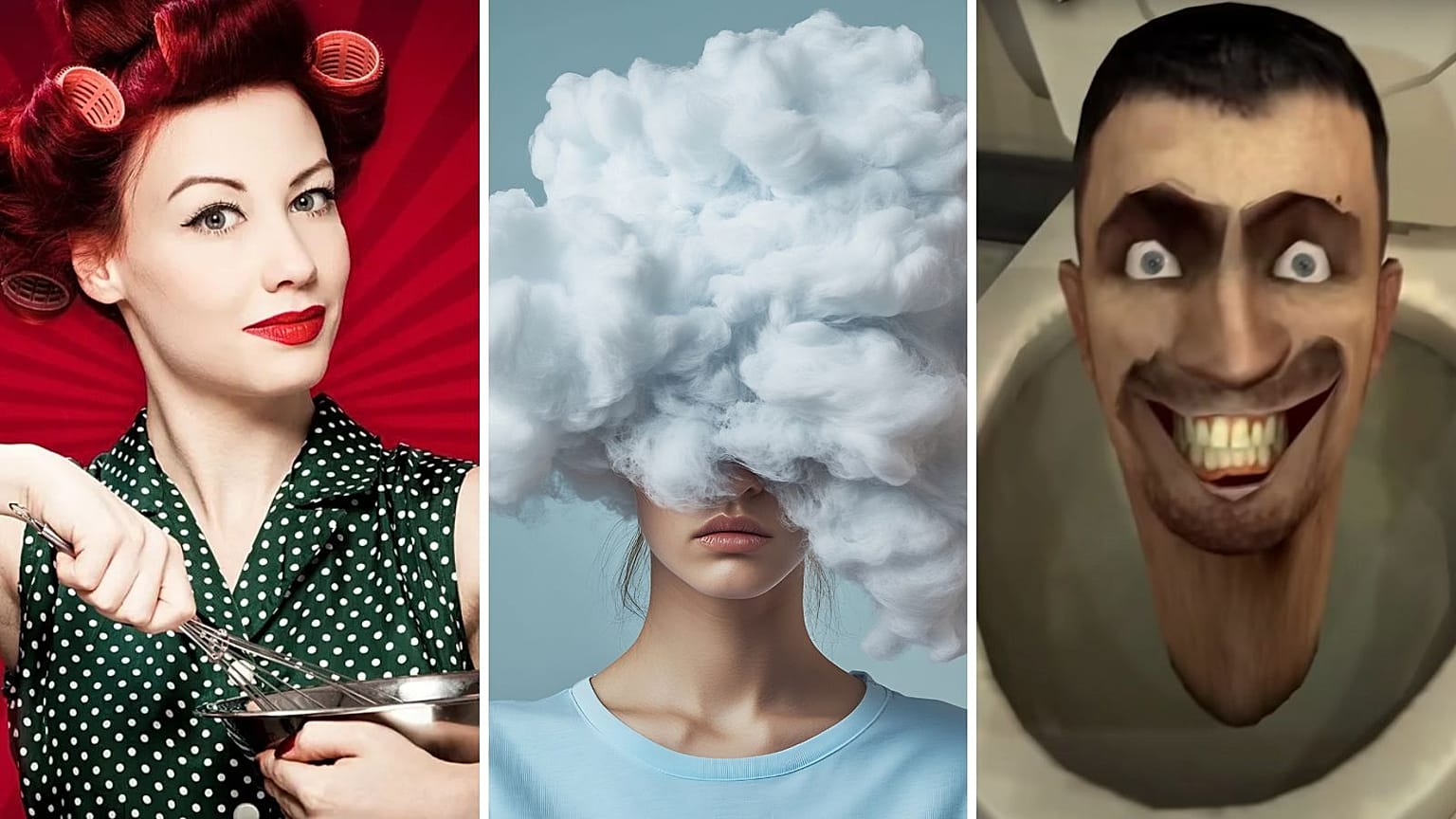
Among the prominent entries are expressions that have achieved fame via the web and social media. The term ‘skibidi’ serves as a notable illustration, stemming from a popular online meme. This silly yet memorable word gained immense popularity, mainly on sites like TikTok and YouTube, where it was linked to a collection of animated clips. Its addition to the dictionary emphasizes the expanding role of digital platforms as creators of fresh vocabulary. These networks, with their fast-paced trends and worldwide influence, are inventing and spreading language at an extraordinary pace, challenging traditional views of how terms become widely accepted. The case of a seemingly absurd word becoming widely recognized is an intriguing exploration of the impact of internet virality.
Another noteworthy addition is ‘tradwife,’ a term that has stirred significant discussion. It refers to a woman who opts for a conventional lifestyle, focusing her efforts on being a wife and homemaker instead of pursuing a profession. This term captures a multifaceted and often contentious social movement, indicating resistance to certain modern feminist principles in some communities. The dictionary’s acceptance of ‘tradwife’ acknowledges its widespread usage in public conversations, both on the internet and offline. It highlights how language serves as not only a mode of communication but also a reflection of cultural and ideological transformations, alongside the continuous discussion about gender roles and expectations in society. The term’s official recognition offers a neutral platform for engaging in dialogues about a phenomenon deeply embedded in present-day societal debates.
The process of selecting new words for a dictionary is a rigorous one, far from a casual list-making exercise. Lexicographers, who are experts in the field, meticulously track word usage across a vast corpus of written and spoken language. They look for evidence of sustained and widespread use, ensuring that a word is not merely a fleeting trend but has established a firm foothold in the language. This analytical approach ensures the integrity and authority of the dictionary as a reliable record of the English language. The criteria for inclusion are high, meaning that for every word that makes it in, countless others are left on the cutting room floor. This careful curation is what maintains the dictionary’s reputation as a definitive resource.
The new additions also include other terms that highlight various aspects of modern life. For instance, the dictionary has incorporated words related to the gaming community, technology, and mental health. These inclusions illustrate the fact that language is highly specialized and context-dependent. A term that may be common within one community, such as a gaming subculture, may be completely unknown to a wider audience. However, as these communities grow and their influence expands, their unique vocabulary begins to seep into the mainstream. The dictionary’s role is to document this migration of words, providing clarity and definition for those encountering them for the first time.
The addition of these words to the Cambridge Dictionary also raises questions about the future of language itself. Will the internet continue to be the primary engine of linguistic change? How will traditional dictionaries adapt to the rapid pace of online communication? The inclusion of terms like ‘skibidi’ and ‘tradwife’ suggests that established institutions are embracing these changes, recognizing that to remain relevant, they must reflect the language as it is actually spoken and written. This ongoing dialogue between formal language institutions and informal, popular usage is a fascinating aspect of linguistic evolution. The dictionary, once seen as a static and authoritative arbiter of language, is now a dynamic document, a living record of our collective linguistic journey.
The inclusion of these terms celebrates the dynamic and evolving nature of language. It demonstrates that English is not a static construct but a versatile form that is continually influenced by its users. Every new term narrates a tale about our community, advancements, and traditions.
From the superficially trivial to the profoundly significant, these expressions offer insight into the concerns and focuses of our era. They stand as a lasting archive of our collective past, capturing our story word by word, preserved in a tool that will keep teaching and enlightening upcoming generations about the current language. The recent revision of the Cambridge Dictionary serves as a reminder that language reflects our identity, highlighting not only our speech but also our essence.