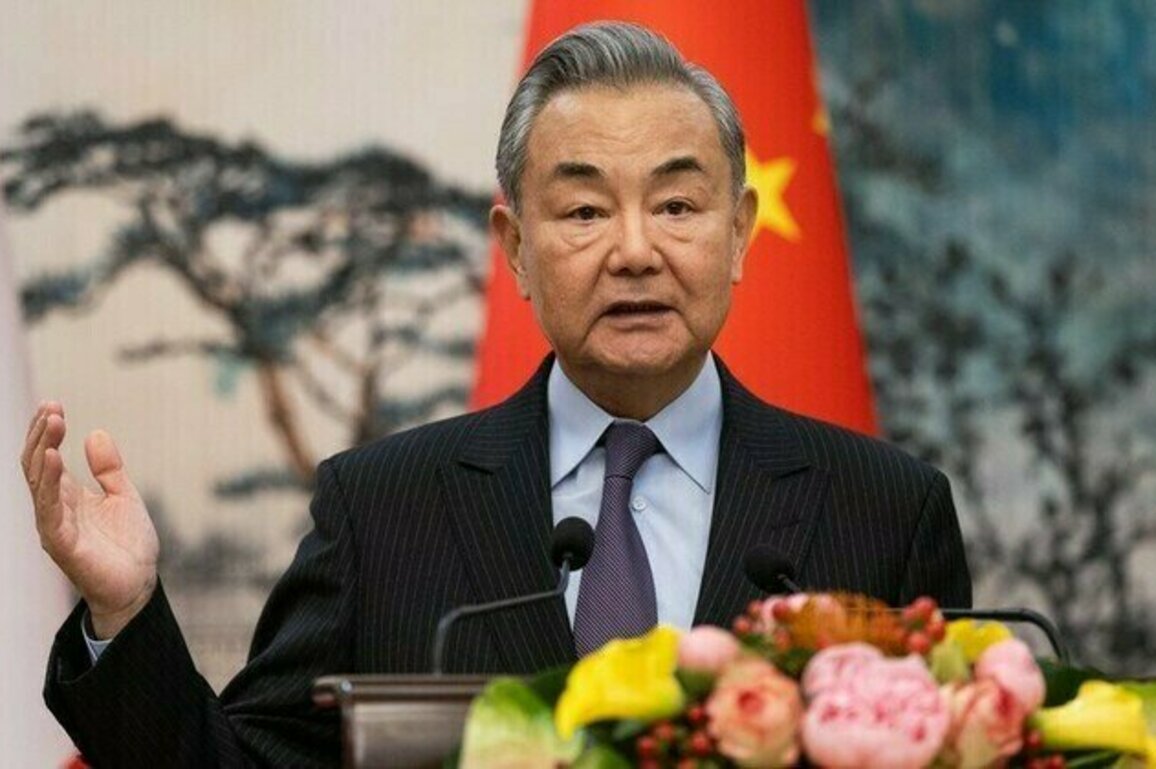

El panorama del comercio mundial ha entrado en otra fase turbulenta, mientras que Beijing ha criticado con dureza la reciente decisión de Washington de imponer altos aranceles a los productos que provienen de India. Esta medida, que establece un arancel del 50 por ciento sobre una variedad de exportaciones indias hacia los Estados Unidos, ha generado un amplio debate sobre el proteccionismo, la estrategia económica y el futuro de las relaciones comerciales internacionales.
China’s condemnation of the policy came swiftly, framing the decision as an example of what it terms “bullying tactics” within the global economic system. According to Chinese officials, such measures undermine the principles of fair competition and threaten the stability of the international market. By targeting a significant trade partner like India, Beijing argues, the United States risks triggering a chain reaction that could further strain supply chains and damage emerging economies already facing inflationary pressures.
The imposition of tariffs on Indian goods is part of a broader U.S. effort to recalibrate trade relations in a world increasingly shaped by geopolitical rivalry and economic nationalism. American officials maintain that the decision aims to address concerns over trade imbalances, market access, and domestic industry protection. However, critics see it as another sign of a protectionist turn that could have far-reaching consequences for global commerce.
For India, this situation poses a multifaceted obstacle. As a rapidly expanding economy, the nation is striving to establish itself as a dependable manufacturing center and a favored option compared to China for international supply networks. The implementation of increased duties on its products entering the U.S. market creates complications for this approach, possibly diminishing competitiveness in significant fields such as textiles, pharmaceuticals, and information technology services.
Economists caution that these levies may hinder the expansion of exports during a period when India aims to draw in international investment and enhance its presence in global trade. Although the Indian authorities have not yet provided an official reaction, experts imply that countermeasures or increased discussions might ensue. The possibility of the situation evolving into a comprehensive trade conflict remains, particularly if mutual agreement is not reached.
China’s vocal opposition to the U.S. move reflects more than solidarity with India; it underscores Beijing’s broader critique of Washington’s trade policies in recent years. Chinese authorities argue that unilateral tariffs distort the rules-based global trading system overseen by organizations such as the World Trade Organization (WTO). By bypassing multilateral frameworks in favor of direct economic pressure, Beijing claims, the United States undermines trust among trading partners and erodes the spirit of cooperation that has underpinned decades of globalization.
Furthermore, Chinese analysts point out that measures like these have ripple effects beyond the targeted countries. When tariffs rise, production costs increase, and global supply chains—already fragile due to pandemic disruptions and geopolitical tensions—become even more volatile. For developing economies, which rely heavily on export-driven growth, the consequences can be severe.
From Washington’s perspective, the tariff increase serves a strategic purpose: shielding American businesses from what it views as unfair competition. U.S. officials contend that Indian products have benefited from market conditions that disadvantage American manufacturers, including lower labor costs and certain state-backed incentives. By imposing higher duties, they argue, the playing field becomes more balanced, allowing domestic industries to thrive.
This justification aligns with a broader trend in U.S. economic policy, where tariffs and trade restrictions are increasingly used as tools to pursue both economic and strategic objectives. Recent years have seen similar measures applied to Chinese goods, reflecting concerns over intellectual property, national security, and trade deficits. Extending this approach to India suggests that Washington is prepared to apply consistent pressure on all major trading partners to achieve its goals.
The controversy surrounding these tariffs revives longstanding debates about the health of the multilateral trading system. Organizations like the WTO were designed to mediate such disputes and ensure that trade rules are applied consistently across nations. However, as major economies resort to unilateral measures, the credibility of these institutions comes into question.
Experts warn that if large economies continue to impose tariffs outside established frameworks, smaller nations may follow suit, leading to a fragmentation of global trade. Such a scenario would not only increase costs for businesses and consumers but also hinder economic recovery efforts in the aftermath of recent global crises.
Para India, la situación es especialmente delicada. Por un lado, el país aprecia su relación económica en crecimiento con Estados Unidos, que se ha convertido en un socio clave en comercio, tecnología y defensa. Por otro, Nueva Delhi tiene cuidado de no parecer demasiado dependiente de un solo socio, especialmente mientras busca mantener su autonomía en una era de intensificación de rivalidades geopolíticas.
India’s decision-makers are currently confronted with challenging options. Should they implement reciprocal tariffs and risk increasing tensions, or aim for a negotiated agreement to maintain entry to the profitable U.S. market? The solution might hinge on how the two nations define their long-term economic goals and if diplomatic conversations can avert a trade dispute from escalating uncontrollably.
This dispute cannot be viewed in isolation. It occurs against the backdrop of a shifting global order in which economic power is increasingly tied to strategic influence. Washington’s trade posture reflects its broader effort to strengthen domestic resilience while limiting the economic leverage of rising powers. Meanwhile, Beijing’s response highlights its ambition to position itself as a defender of multilateralism and a champion of developing nations’ interests.
For India, the future direction might involve strengthening trade relationships with other partners, speeding up free trade deals, and enhancing domestic competitiveness to counterbalance the effects of tariffs. Meanwhile, preserving a delicate balance between the U.S. and China will continue to be a key challenge in its foreign policy considerations.
Beyond diplomatic statements and policy debates, these tariffs will have tangible consequences for businesses and consumers. Indian exporters, particularly small and medium enterprises, face the immediate challenge of absorbing higher costs or passing them on to buyers—options that could erode market share. American importers, meanwhile, may encounter supply disruptions and rising prices, ultimately affecting consumers.
Global companies that rely on Indian supply chains could also experience higher operational costs, prompting them to reevaluate sourcing strategies. These adjustments, while gradual, could reshape trade flows in ways that influence everything from retail pricing to job creation in multiple countries.
In the upcoming months, it will become clear if this disagreement intensifies or transitions into a dialogue. A significant factor will be the readiness of both Washington and New Delhi to participate positively and the capability of global organizations to mediate successfully. The role of Beijing introduces additional complexity, as China aims to use its critique of U.S. policies to bolster its portrayal of upholding international justice.
As the world watches, one thing is clear: the era of predictable trade relations is over. Tariffs, countermeasures, and strategic alliances are now central to the economic playbook of major powers. For businesses and policymakers alike, adaptability will be key to navigating an environment where economic decisions are inseparable from geopolitical considerations.