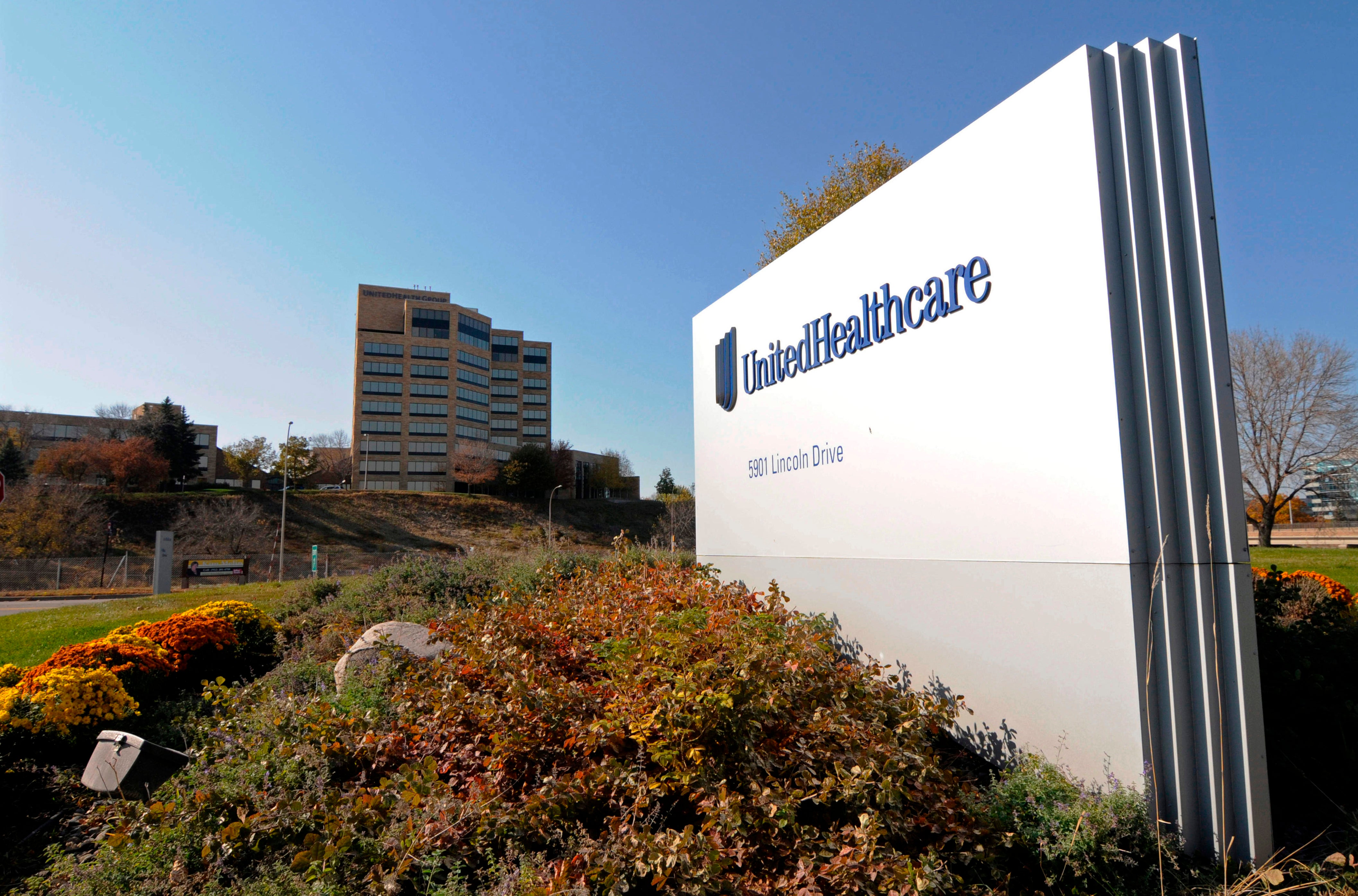

A board-certified surgeon in Dallas finds her thriving medical practice on the brink of financial collapse following an ongoing reimbursement conflict with UnitedHealthcare, one of the nation’s largest health insurers. Dr. Sarah Chen, who specializes in minimally invasive procedures, reports that withheld payments totaling nearly $2 million have left her unable to cover basic practice expenses, including staff salaries and medical equipment leases.
The conflict started when UnitedHealthcare began rejecting requests for procedures they subsequently considered «not medically necessary,» even though they had previously approved the same treatments for many years. Dr. Chen’s attempts to contest this through the company’s internal review system were not fruitful, forcing her to decide between accepting the financial setbacks or engaging in expensive litigation against the major industry player.
This situation reflects growing tensions between healthcare providers and insurance companies across the United States. Many physicians report increasingly aggressive claim denials and delayed payments from insurers, creating cash flow crises for small and medium-sized practices. The American Medical Association’s most recent billing survey reveals that claim denial rates have increased by 23% across the industry since 2021, with private insurers representing the majority of disputed payments.
Dr. Chen is experiencing extreme financial pressure. After depleting her own funds to sustain the clinic, she is now facing possible bankruptcy, which might lead to the layoff of 18 staff members and the closure of the practice. She states, «My life’s work has been focused on delivering excellent surgical treatment,» and adds that «the present system is making it exceedingly difficult for standalone doctors to continue their work.» Her situation mirrors worries expressed by medical groups regarding the merging of businesses in the health sector and how it affects patients’ ability to receive care.
UnitedHealthcare asserts that their evaluation method guarantees suitable care while managing expenses. In a statement, the insurer mentioned they «cooperate with providers to address billing inquiries» and referenced their resources available on the provider portal. Nonetheless, doctors argue that the appeal procedure is deliberately complicated, aimed at deterring providers from making valid claims.
The financial pressures extend beyond Dr. Chen’s individual practice. Local hospitals report increasing difficulty maintaining specialist coverage as more physicians either join large health systems or leave clinical practice altogether due to similar reimbursement challenges. Healthcare economists warn this trend could accelerate, potentially creating specialist shortages in certain markets.
Specialists in medical billing have pointed out numerous alarming practices by insurers recently. These involve rejecting claims post-treatment completion, tightening the criteria for what qualifies as «medically necessary» services, and implementing cumbersome pre-approval processes that postpone patient care. A significant number of providers mention they dedicate as much as 20 hours each week to paperwork related to insurance, time that could otherwise be spent on patient treatment.
The human impact of these disputes extends beyond physicians to their patients. Several of Dr. Chen’s patients report confusion and frustration when receiving unexpected bills for services they believed were covered. One patient, a 62-year-old small business owner, describes receiving a $28,000 bill eight months after his surgery, when UnitedHealthcare reversed its initial approval.
Potential resolutions remain divisive. Some lawmakers are in favor of stricter prompt payment regulations and uniform claims handling, whereas insurance companies stress the importance of managing healthcare expenses. Independent doctors, such as Dr. Chen, are more frequently seeing direct-pay systems as the sole practical option, even though these solutions are out of reach for many individuals dependent on insurance provided by their employers.
As the standoff continues, the broader implications for healthcare delivery become increasingly clear. When experienced physicians face financial ruin due to payment disputes, the entire healthcare system suffers. Patients lose access to skilled providers, medical students avoid certain specialties due to financial instability, and communities see their local healthcare infrastructure weaken.
Dr. Chen’s situation acts as a warning about the delicate condition of independent medical practice in the United States. As she keeps looking for ways to maintain her practice, her ordeal prompts vital discussions about safeguarding doctor independence and securing equitable compensation in a progressively unified healthcare market. The outcome of her situation could indicate whether significant changes are achievable or if additional doctors will be compelled to choose between financial stability and patient treatment.