
Bulgaria’s Nickolay Mladenov, a seasoned diplomat, has taken on one of the most challenging assignments of his career: overseeing the delicate implementation of a US-brokered plan to stabilize Gaza and guide its administration. His experience, relationships, and reputation will all be tested as he navigates the complex political terrain of the region.
Mladenov’s journey to this point has been marked by decades of diplomatic service. Early in his career, he held key positions in Bulgaria’s government, including defense minister at 37 and later foreign minister. His international experience expanded with appointments to the European Parliament and as the UN’s Special Representative for Iraq, before arriving in Jerusalem in 2015 as the UN Special Coordinator for the Middle East Peace Process. Though the role was often seen as symbolic and ineffectual, Mladenov distinguished himself by cultivating trust with both Israeli and Palestinian officials—a rarity in the long-running conflict.
His approach combined pragmatism with patience. Unlike previous envoys, he engaged directly with major actors on the ground, shuttling between Israeli leaders, the Palestinian Authority, and even Hamas in Gaza. Through these efforts, he contributed to de-escalating repeated flare-ups and mediated behind-the-scenes agreements that prevented prolonged violence. His commitment to dialogue earned him respect across the region, though some critics argue he leaned more toward Israeli perspectives, occasionally sidelining Palestinian interests.
Embarking on a new phase as the High Representative in Gaza
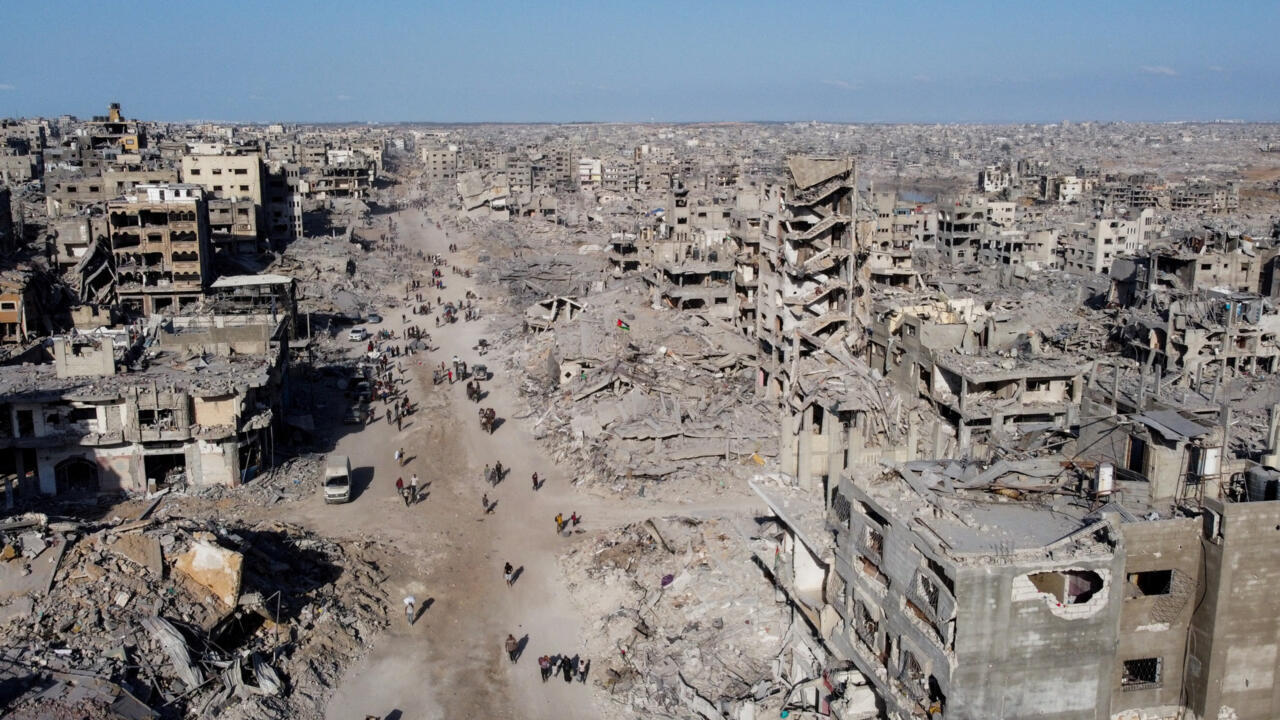
In his latest capacity as High Representative for Gaza, Mladenov confronts an extraordinary test, required to connect the US-led “Board of Peace” with a technocratic Palestinian committee designated to administer the enclave while turning a 20-point ceasefire outline into feasible measures, which involves supervising reconstruction, disarmament, and administrative operations for a population approaching two million.
The Board of Peace includes prominent figures such as US Secretary of State Marco Rubio, Special Envoy Steve Witkoff, Jared Kushner, and former UK Prime Minister Tony Blair. While Mladenov will lead on-the-ground coordination with the Palestinian committee, the board’s other members are focused on broader diplomatic, financial, and strategic initiatives. His success will depend on maintaining credibility with both Israelis and Palestinians while satisfying American expectations for stability and security.
Despite the high stakes, Mladenov’s initial interactions have been low-profile. He has met quietly with Israeli Prime Minister Benjamin Netanyahu and key Palestinian leaders to lay groundwork for the committee’s functioning. While he has not made public statements, his prior communications, including a New Year’s post emphasizing restraint and common sense, suggest a cautious, measured approach to his new responsibilities.
Balancing trust and skepticism
Mladenov’s diplomatic style emphasizes relationships and practical solutions. Israeli officials praise his ability to communicate constructively, manage sensitivities, and maintain transparency. Palestinians, while acknowledging his professionalism, sometimes critique him for prioritizing Israeli perspectives over Palestinian needs. Some analysts suggest his focus on Hamas and other dynamic actors, rather than the Palestinian Authority, reflects both strategic pragmatism and an alignment with Israel’s interests, particularly in managing Gaza’s complex political landscape.
This layered strategy carries both benefits and limitations. By dealing with Hamas firsthand, Mladenov cast himself as a mediator able to spur rapid ceasefire arrangements and support reconstruction initiatives. However, this approach could hinder attempts to consolidate Palestinian governance within a unified structure, risking the emergence of competing power hubs between the new technocratic committee and the established Palestinian Authority.
Mladenov’s ties with other regional actors, including the United Arab Emirates, add further layers to how he is perceived. His support for the Abraham Accords, which established formal relations between Israel and several Arab states, earned praise from those who viewed it as a step toward greater regional stability, while drawing criticism from Palestinians who believed it overlooked their pursuit of statehood. Even so, his readiness to explore new diplomatic paths demonstrates a steady dedication to securing outcomes rather than remaining bound by conventional bureaucratic practices.
Obstacles looming in Gaza
The immediate challenges for Mladenov are considerable. Three months after the ceasefire, Hamas has yet to take steps toward disarmament, hindering plans for an international security presence. Questions remain about Israel’s commitment to further military withdrawal and the ability of the technocratic committee to manage day-to-day governance in the absence of established infrastructure.
Support from Hamas has been cautious but cooperative, indicating readiness to facilitate the committee’s administration. Conversely, some Israeli and international officials express skepticism, noting Mladenov’s strong ties to Hamas could hinder enforcement of critical elements, such as disarmament or security oversight. Ultimately, his success will depend not only on personal skill but on the political will and cooperation of all parties involved.
Bulgaria’s Ambassador to Israel, Rumiana Bachvarova, who accompanied Mladenov early in his Jerusalem posting, notes his dedication to dialogue and compromise. She observes that he prioritizes thoughtful choices over easy political lines, demonstrating courage and resilience in navigating highly sensitive political landscapes.
Pragmatism and diplomacy stand as the core guiding principles
Mladenov’s career reflects a focus on practical solutions and relationship-building. Former US Ambassador to Israel Dan Shapiro praises his willingness to bypass bureaucratic obstacles to achieve results, noting that Mladenov consistently insists on conversations that are action-oriented and results-driven. His approach has allowed him to navigate entrenched conflicts, build trust with multiple stakeholders, and deliver tangible outcomes in otherwise stagnant diplomatic contexts.
Yet the challenges in Gaza now eclipse anything he has previously encountered, and with no functioning framework in place, he is required to build governance, security, and recovery structures almost entirely anew. His capacity to navigate among American policymakers, Israeli authorities, and Palestinian officials will largely shape whether the latest stage of the US-brokered ceasefire ultimately holds.
Nickolay Mladenov’s appointment as High Representative for Gaza places him squarely amid one of the most intricate diplomatic tests in recent history, with his seasoned background, trusted reputation, and pragmatic approach offering potential advantages even as deep political rifts, persistent security issues, and conflicting regional agendas render the mission exceptionally challenging.
Mladenov’s career illustrates how cultivating trust, upholding neutrality, and pursuing pragmatic approaches can yield progress even within seemingly unsolvable conflicts; nevertheless, the eventual outcome of his mission will depend on the commitment and political resolve of the principal stakeholders, and for those familiar with him, Mladenov’s unwavering dedication, personal courage, and faith in constructive dialogue offer reassurance that, despite the region’s persistent instability, careful diplomacy can still bring meaningful change.
His capacity to steer these high‑pressure dynamics, weighing rival priorities while driving toward concrete outcomes, could ultimately shape how Gaza’s reconstruction and governance unfold in the years ahead. Bachvarova’s observations reflect his core character: a diplomat prepared to make hard decisions, interact with every party, and persist in seeking peace despite formidable obstacles.