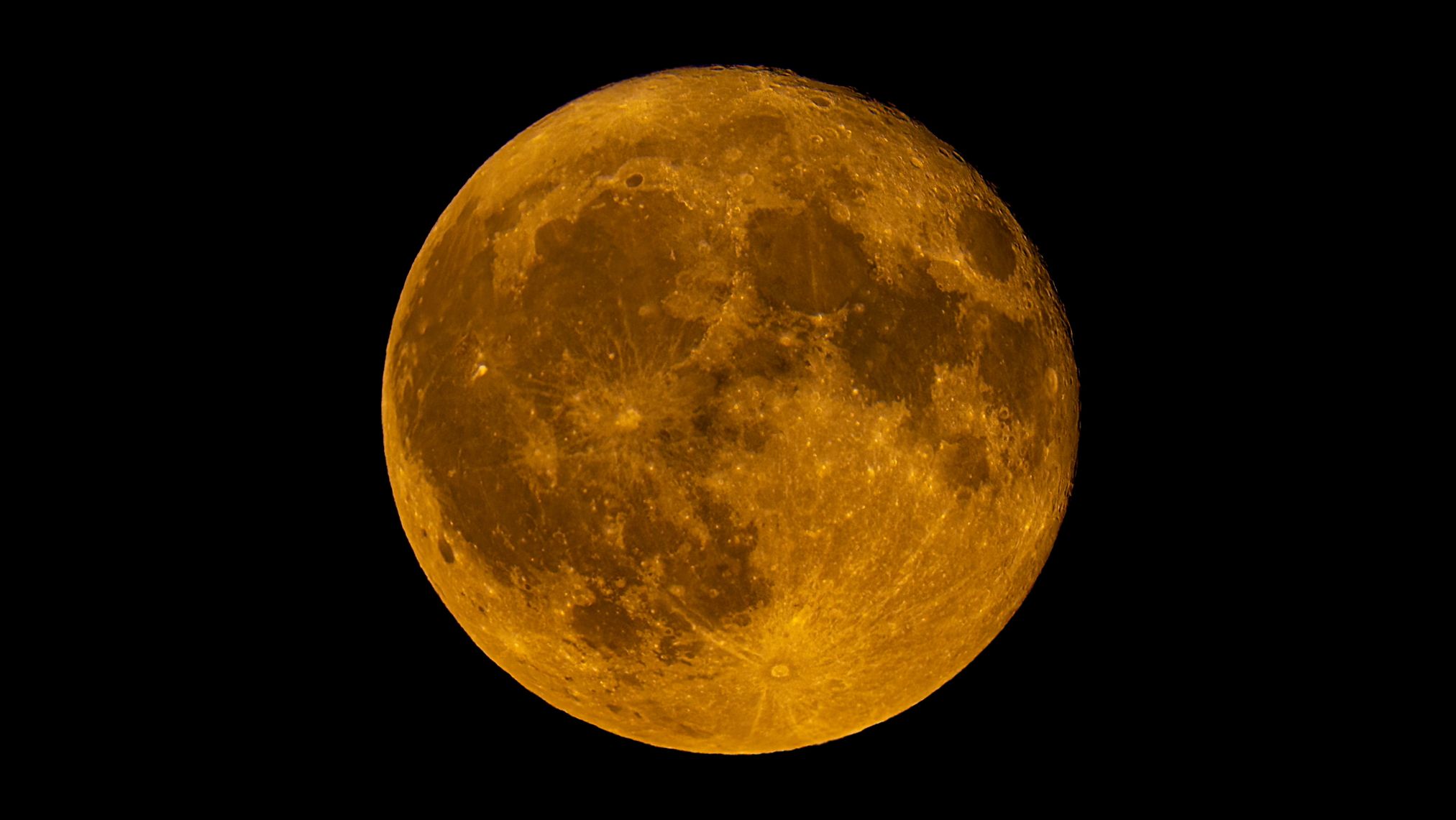

Skywatchers and nature enthusiasts are in for a celestial treat this month with the arrival of July’s full moon, traditionally known as the Buck Moon. This annual event offers a captivating opportunity to observe one of the most radiant full moons of the summer, providing a moment to connect with nature and marvel at the nighttime sky.
The Buck Moon, named by Indigenous peoples and early settlers in North America, is so called because this time of year marks the period when male deer, known as bucks, begin to regrow their antlers. The name reflects the deep connection between natural cycles and traditional knowledge passed down through generations. Today, the Buck Moon continues to fascinate stargazers worldwide, blending cultural heritage with astronomical wonder.
This year, the full Buck Moon is set to illuminate the skies in mid-July. While the exact date can vary slightly depending on time zone and location, the moon will appear at its fullest and brightest around the night of July 21. For the best viewing experience, it is recommended to look to the southeast horizon shortly after sunset when the moon rises majestically into the sky.
La luna llena alcanzará su punto máximo alrededor de las 6:17 a.m. hora del Este el 21 de julio, aunque parecerá casi llena en las noches anteriores y posteriores a este momento. Como con todas las lunas llenas, la mejor visibilidad se logrará cuando la luna esté alta en el cielo y no sea obstruida por las luces de la ciudad o condiciones meteorológicas adversas. Las áreas rurales y los paisajes abiertos ofrecen las ubicaciones ideales para observar la luna en toda su majestuosidad.
One reason the Buck Moon captivates many is its occurrence in the peak of summer in the Northern Hemisphere. The balmy evenings and extended daylight offer a pleasant atmosphere for outdoor events, moonlit strolls, and stargazing by enthusiasts. This period is often used by individuals to organize picnics, camping trips, or simply to go outdoors and appreciate the sky’s show.
For those curious about the moon’s phases, July’s full moon also provides an excellent learning opportunity. The lunar cycle, which lasts about 29.5 days, progresses through distinct phases: new moon, waxing crescent, first quarter, waxing gibbous, full moon, waning gibbous, last quarter, and waning crescent. The full moon represents the moment when the moon’s entire face is illuminated by the sun, reflecting maximum brightness to Earth.
Astronomers and casual observers frequently take advantage of this period to capture photographs of the moon or examine its surface characteristics. By looking with the unaided eye, observers can enjoy the light and shadow patterns known as lunar maria and highlands, which provide the moon with its unique look. Individuals using telescopes or binoculars are able to investigate craters, ridges, and other geological structures with more precision.
In addition to its visual appeal, the Buck Moon has symbolic and spiritual significance in various cultures. For some, it marks a time of renewal, abundance, and reflection. In agricultural traditions, the full moon served as a natural calendar, guiding planting and harvesting activities. Even today, many people incorporate lunar phases into their personal rituals or mindfulness practices, using the moon as a focal point for meditation or goal-setting.
The July Buck Moon aligns with various celestial phenomena, enriching the experience of watching the night sky. During this month, the Delta Aquariids meteor shower often begins to make an appearance. While it usually reaches its peak later in July, it can deliver sporadic meteors throughout the month. Additionally, luminous planets like Saturn and Jupiter might be seen, providing an added layer to stargazing activities.
To get the most out of viewing the Buck Moon, think about arranging a night out in a place free from artificial lighting. National parks, wildlife reserves, or even suburban gardens might offer good spots to watch. Take with you a blanket, a pair of binoculars, or a telescope, and look at the local weather predictions to guarantee a cloudless sky.
Photography enthusiasts can capture stunning images of the full moon using modern smartphone cameras, DSLR cameras, or even simple point-and-shoot devices. Experimenting with exposure settings and composition can yield memorable shots, especially when the moon is low on the horizon and framed by trees, buildings, or natural landscapes.
For families and educators, the Buck Moon offers a fun and educational opportunity to teach children about astronomy, natural history, and the interconnectedness of life on Earth. Simple activities such as identifying moon phases, storytelling around the significance of the Buck Moon, or creating moon-themed art can engage young minds and spark curiosity.
As modifications in natural landscapes occur due to climate change and urban growth, dedicating moments to witness occurrences such as the Buck Moon can enhance our gratitude for Earth and the universe. Observing the stars promotes attention, tranquility, and amazement—traits that are becoming more essential in our rapidly moving society.
For those who prefer digital assistance, various mobile apps and websites can help track the moon’s phases, rise and set times, and ideal viewing conditions. These tools make it easier than ever to plan a moonwatching experience that suits individual schedules and preferences.
In certain areas, local astronomical societies or nature groups organize full moon gatherings, which may feature guided hikes, telescope observations, and informative presentations. Taking part in these community activities can enrich the experience and create chances to connect with others who have a shared enthusiasm for stargazing.
In summary, the July Buck Moon presents an enchanting occasion to reconnect with nature, explore astronomical phenomena, and partake in age-old traditions of moonwatching. Whether observed alone in quiet reflection or shared with friends and family, this celestial event reminds us of the beauty and mystery that the universe offers every month, right above our heads.
Mark your calendar for the evening of July 21 and prepare to witness the brilliance of the Buck Moon—an enduring symbol of summer’s splendor and the timeless rhythms of the natural world.