
In an important step towards reducing tensions, Thailand and Cambodia have decided to promptly halt the recent hostilities that flared up along their common border. This progression comes after a sequence of clashes that intensified over a number of days, leading to injuries, displacements, and widespread apprehension within both nations and the surrounding area.
The agreement to halt hostilities was achieved following pressing talks between representatives from each country, who acknowledged the necessity to avert additional violence and bring peace back to impacted areas. This pact signifies an essential move towards reducing tensions in a dispute that had the potential to escalate into an extended military confrontation.
Over the years, disputes have occasionally arisen between the two Southeast Asian neighboring countries, especially concerning contested land close to ancient temple locations that both countries assert as their own. These historical and nationalistic disputes have turned the region into a hotspot for military confrontations, with previous events resulting in gunfire exchanges, increases in troop presence, and temporary relocation of residents living along the border.
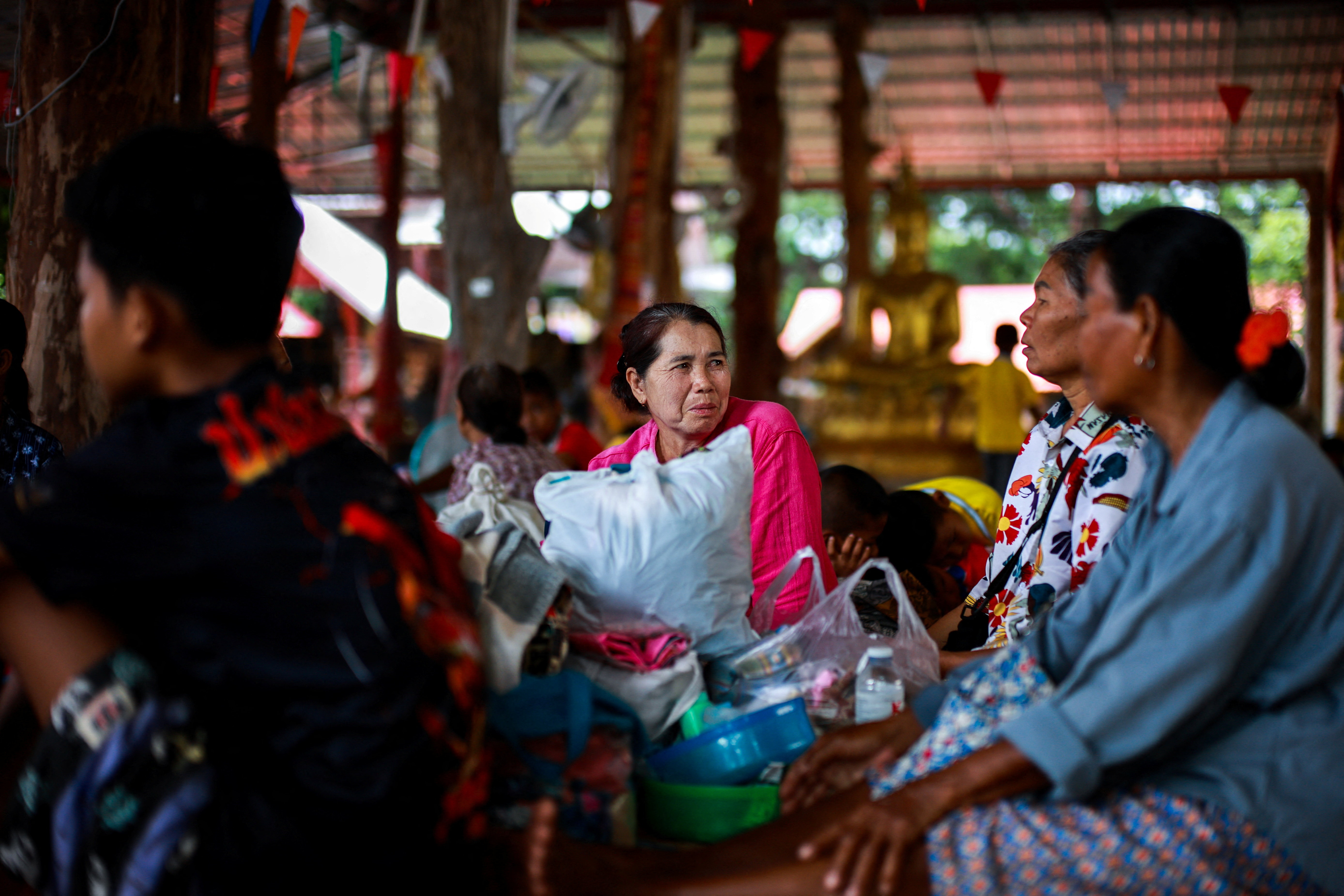
The most recent round of fighting left several soldiers dead and many more injured on both sides, while also prompting thousands of residents to flee their homes in search of safety. Temporary shelters were set up, and humanitarian organizations began mobilizing to provide food, water, and medical aid to displaced families. The damage to infrastructure and farmland in the border zone was also significant, raising concerns about long-term consequences for local communities that rely heavily on agriculture.
Following the violent confrontations, both Thailand and Cambodia experienced growing global pressure to cease hostilities and seek a peaceful resolution. Regional organizations, including ASEAN members, voiced worries about the possible destabilizing outcomes of the conflict and urged for calm and negotiations. The truce agreement arises as a reaction to those appeals, providing optimism that diplomatic efforts might now be prioritized over conflict.
Although the ceasefire was described as “immediate,” it remains fragile, and questions persist over how long the peace will hold. The two countries have agreed to maintain open lines of communication through military and diplomatic channels to prevent further misunderstandings and accidental flare-ups. Both sides have also signaled a willingness to engage in future talks aimed at addressing the underlying issues that continue to drive the border dispute.
For individuals residing in the conflict region, the ceasefire offers a temporary feeling of relief. Families who had been compelled to leave their homes are starting to think about going back, although numerous remain wary and unsure about the on-ground conditions. Officials in both nations have committed to help with reconstructing destroyed houses and reinstating services in districts impacted by the combat.
The enduring character of the conflict implies that a permanent resolution will necessitate more than just a short-term halt in hostilities. Specialists in regional affairs have highlighted that historical resentments, patriotic sentiment, and differing views on border boundaries significantly contribute to the rise in tensions. Previous truces have not consistently resulted in lasting peace, as minor skirmishes frequently trigger wider confrontations again.
Nonetheless, the ability of both administrations to meet and concur on an immediate cessation of military operations is being regarded as an encouraging sign. It indicates an acknowledgment from both parties that ongoing strife is neither feasible nor advantageous, particularly considering the economic and social impact that even brief confrontations have on civilians.
In the past few days, there have been attempts by diplomats and mediators to foster meaningful discussions outside of military settings. Suggestions for collaborative border groups, cultural exchange programs, and third-party arbitration have been presented, though it’s uncertain if these will progress soon. The truce agreement, although not a resolution on its own, offers a chance to consider these concepts in a more secure context.
The people living near the Thai-Cambodian border have long experienced the highs and lows of regional disputes. Many families have lived through multiple waves of violence, with property destruction, injuries, and displacement becoming an unfortunate pattern over the years. Their hopes now rest on whether this latest ceasefire can serve as the foundation for a more durable peace, one that not only stops the shooting but also fosters a shared commitment to coexistence.
Simultaneously, organizations within civil society, teachers, and local leaders have started advocating for increased involvement of the public in the peace efforts. They contend that addressing boundary disagreements should not be the exclusive responsibility of political figures or military officials, emphasizing that community input—particularly from those most affected by the strife—ought to contribute to determining the course of future relations between the nations.
The governments of Thailand and Cambodia are facing increasing demands to show that this ceasefire is more than just a temporary halt in conflict, but rather the start of a wider initiative to bridge differences and identify shared solutions. As the global community pays close attention, both parties will be anticipated to honor their promises and strive for genuine reconciliation.
Ultimately, the ceasefire represents a chance to shift the focus from conflict to cooperation. Whether that chance will be taken remains to be seen, but for now, the guns have fallen silent, and there is hope—however tentative—that peace might prevail where once there was strife.