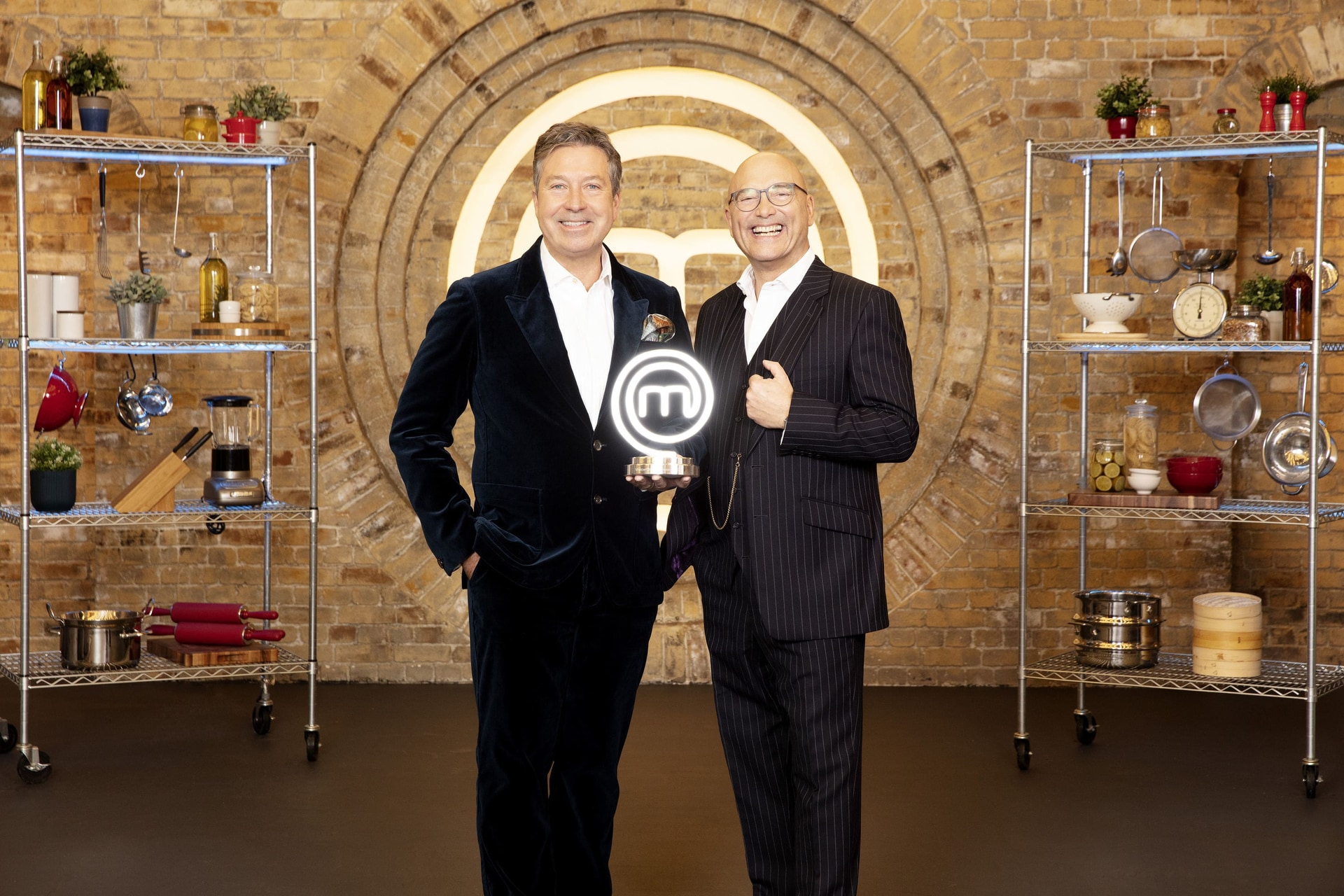

The latest season of MasterChef has made its much-anticipated return to television, bringing back the familiar faces of its previously dismissed hosts—but with a significant change in tone. While longtime viewers may welcome the return of the culinary competition’s original presenters, the show’s signature lighthearted banter and humorous exchanges appear to have been left behind.
The hosts, who were previously let go under circumstances that sparked public debate and fan disappointment, have quietly resumed their roles. Their reappearance has sparked conversation across media platforms, with many fans expressing both relief and curiosity about the change in dynamics. However, what’s immediately noticeable to viewers is the shift in atmosphere. The usual playfulness, witty remarks, and moments of levity that once punctuated the intense kitchen showdowns are conspicuously missing.
Throughout earlier seasons, the presenters were integral to the essence of the program, alongside the competitors and their culinary creations. Their rapport, often sparked by impromptu jokes and slight sarcasm, created a contrast to the otherwise intense atmosphere of competitive cuisine. This distinct combination of food evaluation and entertainment played a key role in attracting a dedicated international viewership.
This season, however, the approach seems more restrained. The hosts now carry a more formal tone, focusing strictly on technical aspects of the competition. Feedback is precise, guidance is professional, and interactions are noticeably more measured. While some might interpret this as a mature evolution of the show, others feel it lacks the warmth and personality that previously defined the hosts’ presence.
Experts in the field propose that the shift might stem from modifications in production due to previous disputes. Following their removal, it is probable that the reappointment of the hosts involved stipulations—perhaps demanding a polished public persona and prioritizing professionalism above personal charisma. As TV networks keep adapting to viewer awareness and evolving cultural standards, dialing back on comedy could have been a calculated choice.
The response from fans has been varied. On one side, there is gratitude for seeing familiar characters who were pivotal to the show’s success come back. Conversely, some dedicated viewers have used social media to express their dissatisfaction regarding the perceived absence of charm in the episodes this season. Numerous people believe that the core of MasterChef has always been a combination of skill, narrative, and the friendship cultivated by its presenters.
Commentators also note that the revised tone could influence how contestants engage with the competition. Without the levity previously provided by the hosts, the mood in the kitchen feels more intense, even sterile at times. Moments that once allowed contestants to showcase their personality outside of their cooking skills are fewer and far between, which could impact the emotional connection viewers form with participants.
Este cambio plantea preguntas más amplias sobre cómo ha evolucionado la televisión de realidad y cómo los programas deben ajustarse constantemente para conservar tanto los estándares éticos como el valor de entretenimiento. Aunque el profesionalismo y el respeto son pilares de la transmisión moderna, las expectativas del público aún exigen una cierta dosis de espectáculo. Lograr ese equilibrio es especialmente desafiante en un programa como MasterChef, que tradicionalmente ha mezclado la exigencia culinaria con el drama humano y la comedia ligera.
The producers have not officially commented on the noticeable change in tone, nor have the hosts addressed it publicly. However, some close to the production suggest that this quieter, more focused style may be an attempt to re-center the competition around the food and talent, rather than personality-driven commentary.
Although adjustments have been made, the initial ratings show that the number of viewers is still solid. People keep watching for the intense challenges, the impressive displays of gourmet cuisine, and the motivating tales of participants from various walks of life. The essential elements of the show—drive, expertise, and change—stay the same, even as its mood alters.
Con el tiempo, la nueva temporada podría establecer su propio ritmo, posiblemente reincorporando aspectos de comedia a medida que aumentan los niveles de comodidad y la respuesta del público se hace más evidente. La historia de la televisión ha demostrado que incluso los programas más apreciados pueden soportar cambios y aún prosperar, siempre y cuando la esencia se mantenga fiel a su atractivo inicial.
For now, the return of the former hosts without their trademark jokes marks a new chapter in MasterChef’s long-standing journey. Whether this adjustment will redefine the show’s identity or serve as a transitional phase is yet to be seen. What is clear, however, is that MasterChef is navigating the complex territory of reinvention—balancing tradition, audience expectation, and the evolving landscape of modern television.