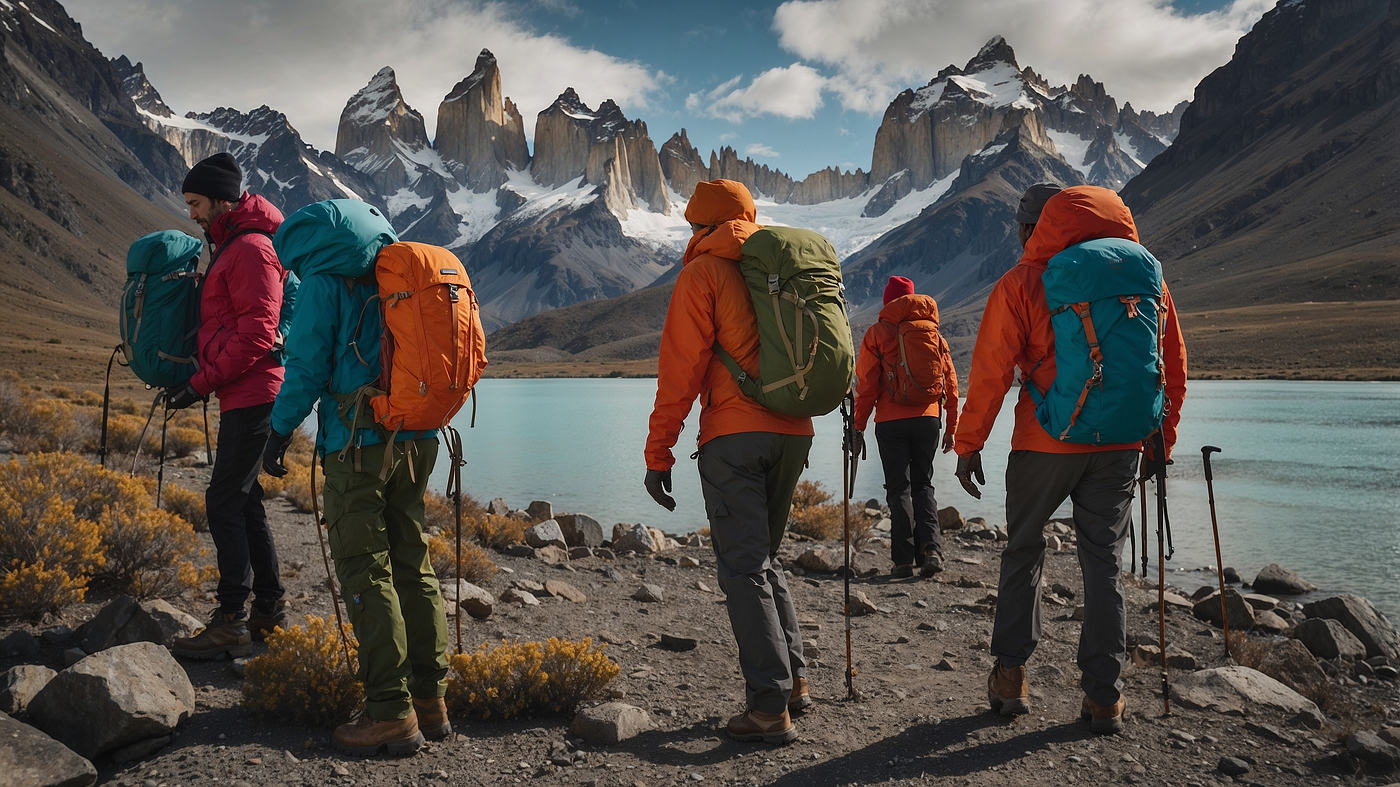

Patagonia, la empresa de ropa para actividades al aire libre que se estableció en 1973, se ha destacado como una pionera en la gestión ambiental dentro del sector minorista. En lugar de centrarse únicamente en las ganancias, Patagonia incorpora principios éticos ambientales en cada aspecto de sus operaciones, convirtiéndose en un ejemplo contundente de responsabilidad corporativa. Este artículo analiza las numerosas acciones que Patagonia implementa para preservar el medio ambiente, abordando prácticas de fabricación, transparencia en la cadena de suministro, inversión en activismo, principios de economía circular, y participación en esfuerzos de conservación a nivel mundial.
Sustainable Materials and Responsible Production
A central pillar of Patagonia’s environmental commitment is its use of sustainable materials. The company has long prioritized organic cotton over conventional cotton to significantly reduce pesticide and water usage. As of recent years, more than 80% of its product line utilizes recycled materials including recycled polyester, nylon, and wool. For instance, Patagonia’s Synchilla fleece products are made from recycled plastic bottles, which not only curbs landfill waste but also requires less energy compared to virgin polyester production.
Additionally, Patagonia dedicates resources to ethical wool and down initiatives. The company’s methods for obtaining wool comply with rigorous animal care and land stewardship guidelines, and its 100% Traceable Down Standard guarantees that the down feathers are sourced from ducks and geese that are treated humanely, without force-feeding or live-plucking. These actions surpass industry norms and demonstrate Patagonia’s committed stance on the well-being of animals and the environment.
Transparent and Ethical Supply Chain Management
Patagonia shows a high degree of clarity in its supply chain processes, an uncommon practice in the clothing industry. The company sustains the Footprint Chronicles, an online resource that identifies the source, environmental impact, and labor conditions linked to every item. This data enables buyers to make knowledgeable decisions and encourages suppliers to adhere to strict social and environmental standards.
La empresa se compromete con las fábricas certificadas de Comercio Justo, asegurando que una parte de los ingresos de cada producto de Comercio Justo se destine a los trabajadores de las fábricas como bonificaciones directas. En un panorama más amplio, Patagonia es miembro fundador de la Sustainable Apparel Coalition, fomentando estándares industriales para el desempeño ambiental y social.
Advocacy for Environmental Protection and Activism
Patagonia dedicates a large share of its profits to support grassroots efforts focused on environmental advocacy. The company commits 1% of its total sales to environmental organizations globally through its «1% for the Planet» program, contributing over $145 million to more than 1,500 organizations since it began.
Beyond monetary support, Patagonia leverages its brand to influence public policy and mobilize communities. Notably, in 2017, the company sued the U.S. government over reductions to the Bears Ears and Grand Staircase-Escalante National Monuments, a landmark move establishing a precedent for corporate environmental litigation. Patagonia’s advertising frequently addresses urgent issues, such as climate justice, oil drilling, overfishing, and habitat destruction, guiding both consumers and lawmakers toward sustainable action.
Extending Product Lifespan and the Circular Economy
Patagonia promotes reducing waste by encouraging its Worn Wear program, which focuses on repairing, reusing, and reselling products. Clients are motivated to fix their items instead of buying new ones, with assistance from complimentary or affordable repair services and educational sessions. The brand states that it carries out more than 50,000 repairs each year at its repair facilities, ranking it among the major clothing repair services in North America.
Additionally, Patagonia offers a take-back program where used items are recycled or refurbished and resold. This approach not only conserves resources but also sets an example for eliminating planned obsolescence and minimizing landfill contribution. Every new product launch is assessed for its environmental footprint, incentivizing the design teams to create goods that are durable, repairable, and timeless rather than trend-driven.
Organizational Framework and Legal Obligations
Patagonia’s legal framework supports its ecological objectives. The company transitioned to a benefit corporation under California law, which requires enhanced levels of accountability and openness. In 2022, Yvon Chouinard, the founder, passed ownership of Patagonia to the Patagonia Purpose Trust and the Holdfast Collective—a unique approach meant to guarantee that all earnings not reinvested in the enterprise are utilized to fight climate change and safeguard untouched areas worldwide. This model annually channels approximately $100 million towards environmental initiatives.
Influence on Industry and Global Initiatives
The effect of the organization goes well beyond its own activities. Patagonia works alongside efforts like The Responsible Company and Common Threads Partnership to motivate consumers and other enterprises to rethink their purchasing behaviors and adopt sustainable practices. Its pioneering role in regenerative organic agriculture serves as an influential model for both the fashion and food industries. Through backing regenerative farms, Patagonia supports the restoration of ecosystem health, enhances soil carbon absorption, and encourages biodiversity.
Additionally, the corporation allocates resources toward sustainable energy, with the goal of supplying every store, office, and distribution facility entirely with renewable electricity. Their supply network is also moving toward methods producing lower carbon emissions, collaborating closely with partners to reduce the carbon footprint of garment production.
A rich paradise with a lot of potential
Patagonia shows that genuine environmental stewardship can coexist harmoniously with profitable business operations, potentially becoming a catalyst for innovation and industry-wide value. By embedding eco-friendly principles into design, supply chain oversight, corporate governance, and advocacy initiatives, Patagonia shifts the business’s function from causing ecological damage to becoming an agent of regeneration. For companies aiming to align financial success with ecological health, Patagonia’s strategy offers an insightful guide based on openness, decisive initiatives, and a readiness to redefine traditional limits for a better planet.