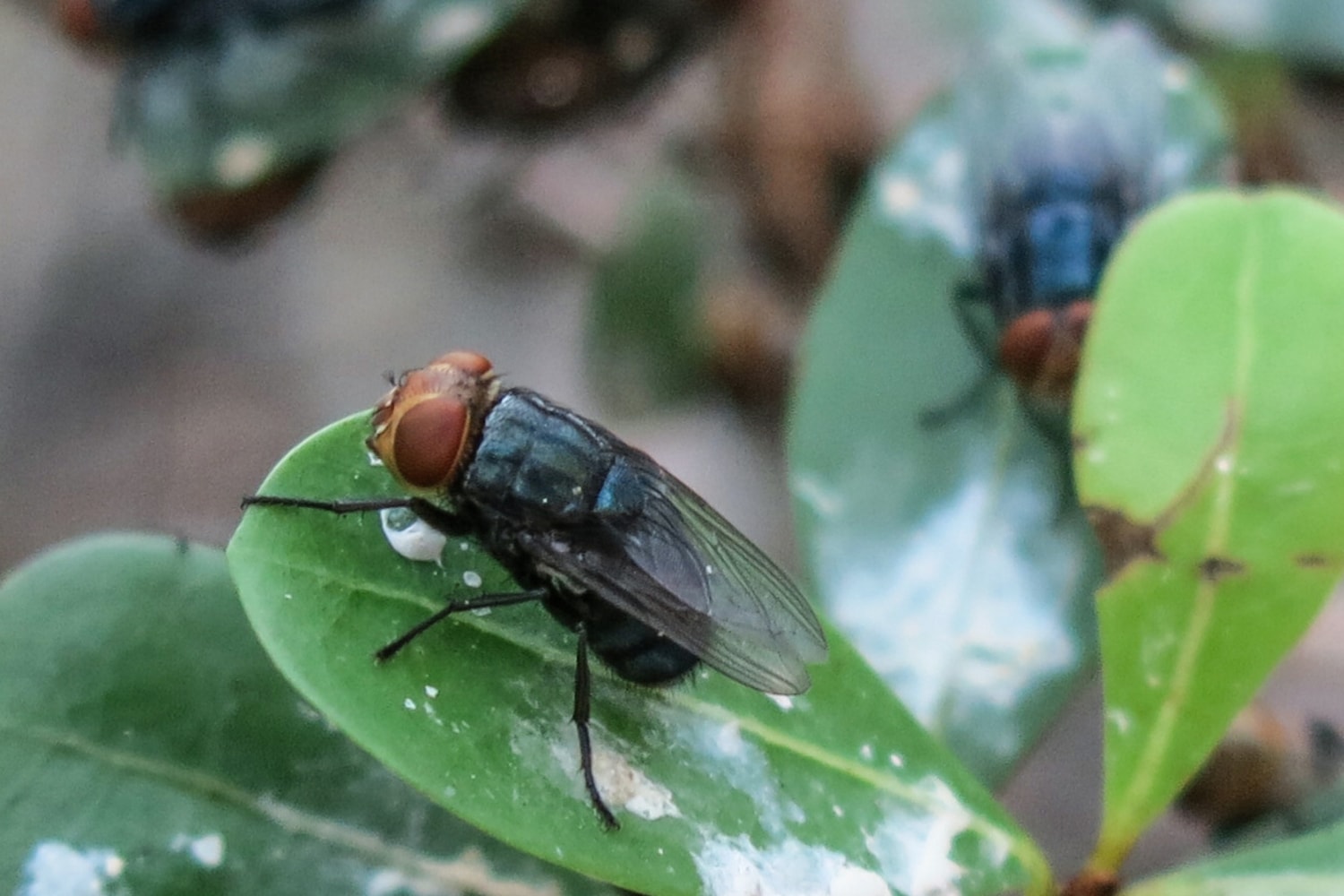

In a novel strategy for safeguarding agriculture, the United States plans to cultivate and distribute millions of sterile flies across specified regions via aerial deployment. Although it might seem atypical, this meticulously organized initiative is based on years of scientific inquiry and pest control methods designed to defend American agriculture against destructive invasive species.
The target of this effort is the screwworm fly, a parasitic insect known for causing severe harm to livestock. Screwworm larvae feed on the living tissue of warm-blooded animals, leading to serious wounds, infections, and even death if left untreated. The economic and ecological consequences of a screwworm outbreak can be catastrophic, making proactive control essential for regions reliant on cattle, sheep, and other livestock.
The method being used is known as the Sterile Insect Technique (SIT), a pest control strategy that involves breeding large numbers of the target insect in specialized facilities, sterilizing them—usually through irradiation—and then releasing them into the wild. Because the sterilized flies cannot produce offspring, repeated releases cause the overall population to decline over time. It’s an environmentally friendly, non-chemical approach that has been successfully used to combat several insect pests worldwide.
The concept dates back to the mid-20th century and has seen notable success in the eradication of screwworms from the United States, Mexico, and much of Central America. The technique is also used against other pests such as the Mediterranean fruit fly and tsetse fly. By releasing sterile males in large numbers, authorities can suppress pest populations without the environmental risks associated with widespread pesticide use.
The existing strategy in the U.S. entails deploying these sterilized flies from the air when there are signs of screwworm infestations or as a precaution in regions considered to be at elevated risk. Aircraft with tailored release mechanisms distribute the flies across large areas, enabling them to assimilate into native populations and interrupt the reproductive cycles.
Esta estrategia es especialmente relevante en el sur de los Estados Unidos, donde los climas cálidos favorecen la expansión de la mosca barrenadora. Los ganaderos en estados como Texas, Florida y Nuevo México están interesados en preservar la condición de libre de mosca barrenadora para prevenir pérdidas que pueden alcanzar millones de dólares. Un brote no controlado también podría afectar a la fauna silvestre, ya que el parásito no hace distinción entre animales domésticos y salvajes.
Beyond the economic implications, the humane treatment of animals is another driving factor. Screwworm infestations cause immense suffering, and by preventing outbreaks, authorities aim to spare animals from this painful condition. Early detection combined with rapid response—including sterile fly releases—forms the cornerstone of this multi-layered defense system.
The process of raising and releasing vast numbers of non-reproducing flies is intricate. The U.S. Department of Agriculture (USDA) manages advanced centers where flies are grown and made sterile within regulated environments. These facilities employ irradiation methods to guarantee that the flies stay sexually active yet unable to create fertile progeny.
The timing and accuracy are vital to the effectiveness of these operations. Releases need to be frequent and concentrated enough to surpass the natural populations. Disbursement by aircraft enables coverage of extensive areas quickly, particularly in regions that are challenging to reach by land.
Public understanding and support are essential for the continuation of this program. While the idea of releasing flies may raise eyebrows, it’s important to communicate that the insects used are harmless to humans and do not bite or transmit diseases. They are released solely to outcompete wild screwworms, not to create new problems.
The advantages of SIT for the environment should not be overlooked. In contrast to chemical insecticides, which can negatively affect non-target organisms, contaminate waterways, and lead to pesticide resistance, the release of sterile insects is specific to the target species. This positions SIT as an essential part of integrated pest management, a sustainable strategy that blends biological, cultural, and chemical methods to reduce environmental harm.
As the climate evolves and expands the habitats suitable for different pests, the likelihood of screwworms returning to areas where they were previously absent rises. A strong sterile fly initiative ensures preparedness to tackle any new dangers. This proactive approach supports wider environmental objectives and protects farming outputs.
Throughout history, the program to eliminate screwworms has been acknowledged as a highly effective instance of joint pest management. Starting in the 1950s, the initial initiative resulted in the total eradication of screwworms in the U.S. by the beginning of the 1980s. The partnership among governmental bodies, researchers, and agricultural parties offered a blueprint that has been replicated in various regions globally.
The continuous demand for the program highlights that eradication does not equate to lasting elimination. Constant awareness is essential to avoid re-infestation, particularly in a globalized society where the mobility of individuals, animals, and products can unintentionally bring pests back.
In recent years, technological advances have enhanced the efficiency of sterile insect programs. Improved sterilization methods, genetic techniques, and more precise delivery systems have made SIT an increasingly viable alternative to traditional pest control. Some scientists are also exploring gene-editing technologies as a complementary or alternative method, though these approaches come with their own regulatory and ethical considerations.
The decision to use aerial releases reflects both the scale of the challenge and the effectiveness of this strategy in protecting the nation’s agricultural backbone. In areas where an outbreak could devastate entire industries, the cost of prevention through sterile insect release is considered an investment in long-term stability.
For animal husbandry practitioners and the larger farming community, the peace of mind provided by these precautionary actions is priceless. It enables farmers to concentrate on expanding and innovating without the constant worry of devastating pest harm.
In the end, observing planes dispersing millions of sterile flies across U.S. terrains showcases human creativity in addressing environmental issues. This signifies a well-considered method blending scientific principles, ecological responsibility, and agricultural needs. As these methods develop, they keep providing promise for sustainable pest management solutions that support economies, ecosystems, and animal well-being alike.