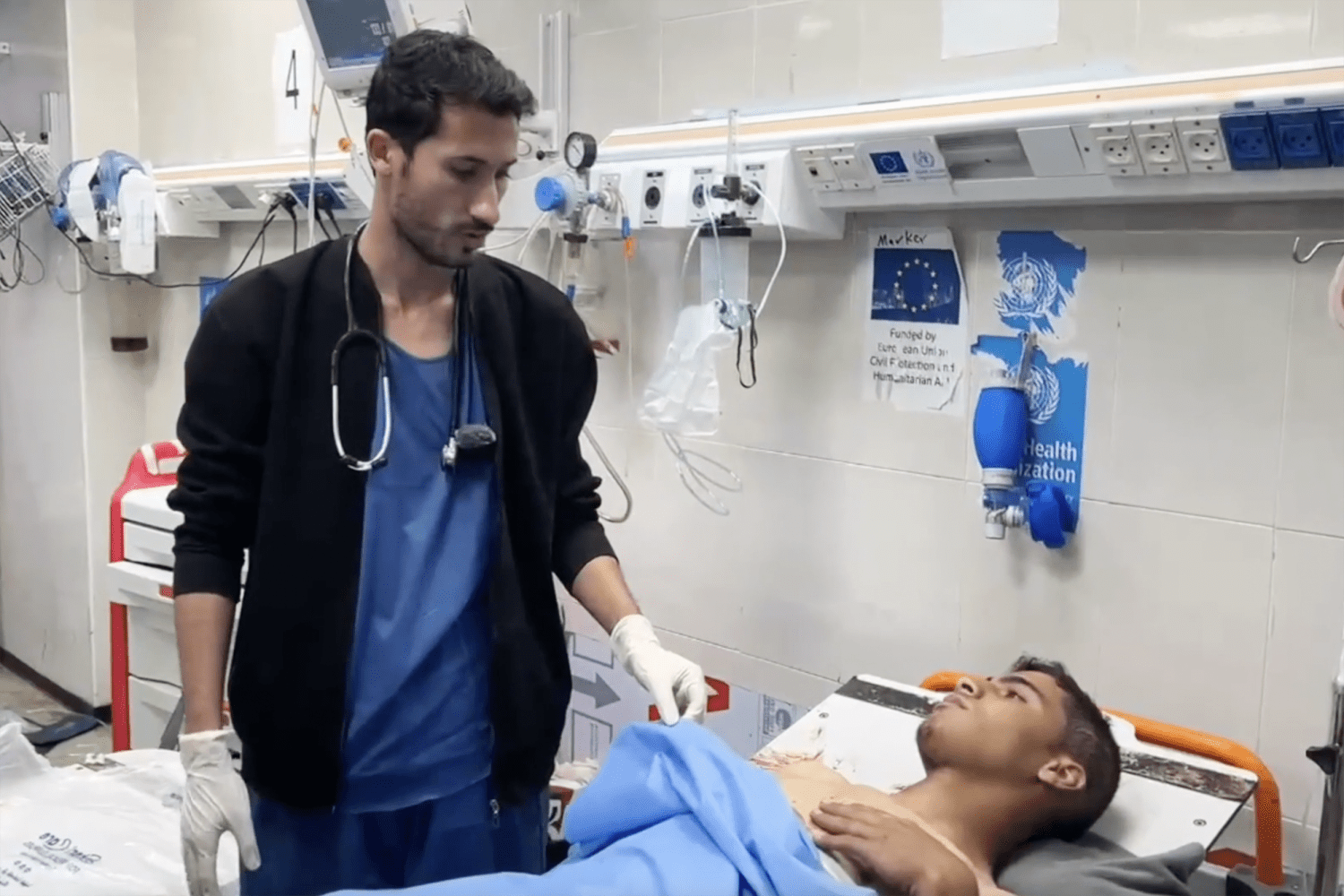

In Gaza, the continuous humanitarian crisis has brought healthcare workers to the brink, both physically and emotionally. Medical facilities throughout the area, already stretched thin due to limited resources and personnel, are now overwhelmed with individuals experiencing acute malnutrition. Physicians, many battling their own hunger and fatigue, keep working extended hours under intensifying hardships, with a number even fainting from tiredness while on duty.
The circumstances have led to a scenario where healthcare staff are struggling to take care of themselves, not to mention assisting others. “It is the feeble assisting the feeble,” expressed a nearby healthcare professional, encapsulating the critical situation. The health infrastructure, which was vulnerable even before the conflict escalated, is now on the verge of breaking down. The shortage of food, the absence of electrical power, and diminishing medical resources are exacerbating the difficulties encountered by medical practitioners and nurses who continue to work on the front lines.
Since the escalation of conflict in Gaza, hospitals have been inundated with patients. Many are children and elderly individuals showing signs of advanced malnutrition, including extreme weight loss, muscle wasting, and cognitive impairment. Health workers report that even basic interventions like intravenous fluids or routine check-ups are becoming impossible due to resource constraints.
Adding to the pressure is the continued bombardment and infrastructure damage, which have rendered numerous hospitals inoperable. Power outages are now common, limiting the use of critical equipment like incubators, ventilators, and X-ray machines. Backup generators, once a lifeline, are often silent due to fuel shortages. Without proper refrigeration, even life-saving medicines like insulin or antibiotics spoil quickly.
In the midst of this crisis, doctors are skipping meals, ignoring their own ailments, and working through physical pain just to keep up with patient needs. Many sleep only a few hours a day, often on the hospital floor. “There are moments when I feel I can’t go on,” one exhausted physician admitted. “But then I see the eyes of a child in need, and I keep going.”
Reports have surfaced of medical professionals fainting during surgery or collapsing while attending patients. These incidents are not isolated. The emotional toll is equally severe. Witnessing daily suffering and loss of life without the tools to intervene effectively has created deep psychological strain, leading to symptoms of post-traumatic stress disorder (PTSD), anxiety, and depression among staff.
International entities have expressed concern regarding the worsening situation but have faced challenges in providing effective support. Limitations on crossing borders, the blockade, and continuing security threats have rendered it nearly impossible to bring vital supplies into Gaza. Humanitarian convoys are often postponed, and when they manage to pass, the supplies are generally inadequate to satisfy the substantial need.
Efforts to establish humanitarian corridors have been slow to materialize, and ceasefires are fragile and short-lived. Some aid groups have reported that the bureaucratic hurdles and unstable security situation prevent them from deploying teams or shipping in equipment.
Kids are some of the hardest hit. Poor nutrition in early childhood leads to lasting effects, such as hindered physical development, a fragile immune system, and damaged cognitive abilities. Organizations like UNICEF have cautioned that if food and healthcare support do not grow significantly and swiftly, the area might witness a whole generation of youngsters permanently affected by starvation.
Schools that once served as community hubs and places of safety are now makeshift shelters or, in many cases, rubble. With education disrupted and trauma widespread, many children face a future shaped by loss and hardship.
Health authorities and humanitarian groups are calling for urgent international action to deliver life-saving supplies and establish safe zones for patients and medical workers. “This is not just a health emergency; it’s a collapse of humanity,” one spokesperson noted. They urge the international community to put politics aside and respond with coordinated relief efforts that can reach those in need swiftly.
Medical practitioners in Gaza, despite working wonders with limited resources, persistently call for aid. Their daily determination sharply contrasts with the worldwide inaction around them. Each minute is crucial, and without urgent support, the casualties could increase not just from explosions and gunfire, but also from the stealthy threat of starvation.
At its essence, the situation in Gaza is fundamentally about humanity—it tells of physicians laboring in the face of hopelessness, of young ones struggling to live without adequate food, and of a medical system striving to operate while collapsing. Tackling this calamity involves more than short-term solutions. It demands a lasting dedication to reconstructing infrastructure, repairing supply networks, and guaranteeing essential healthcare access for everyone.
Until then, those on the ground will continue their tireless efforts—healing, comforting, and saving lives—often without enough food, medicine, or rest. Their courage is undeniable, but their burden should not be theirs to carry alone.