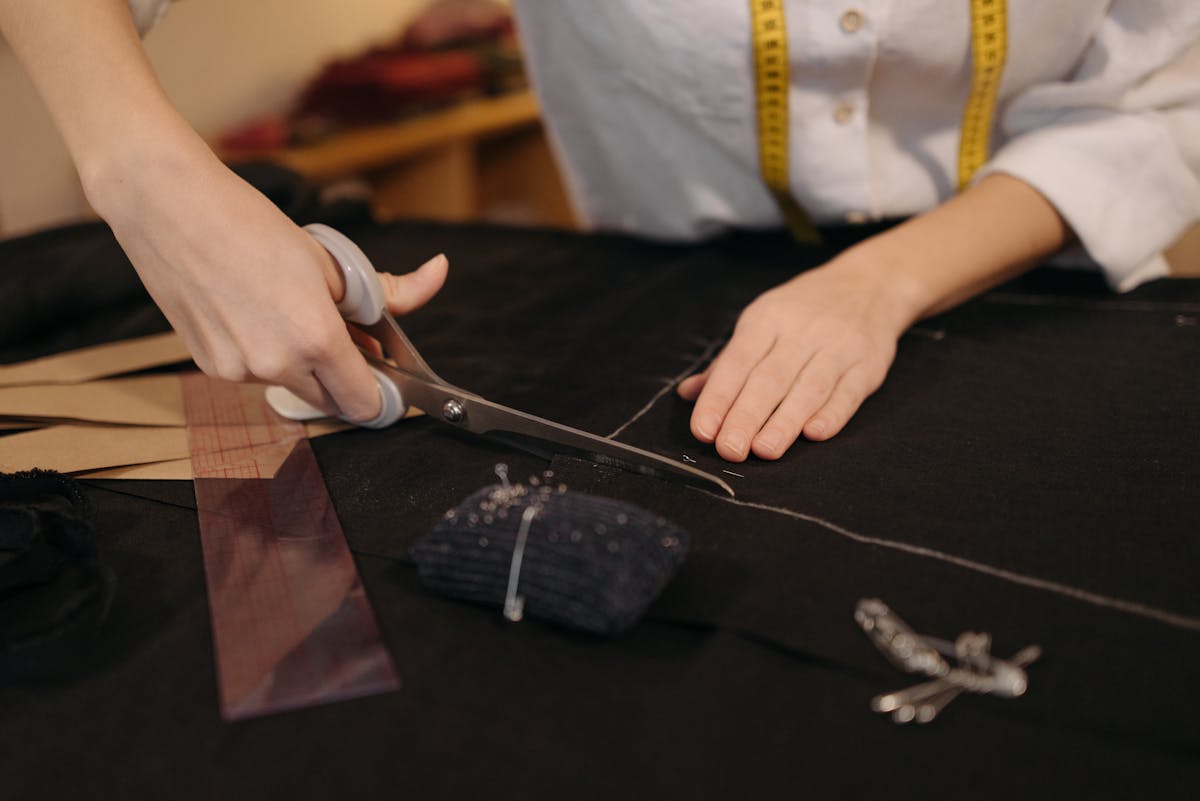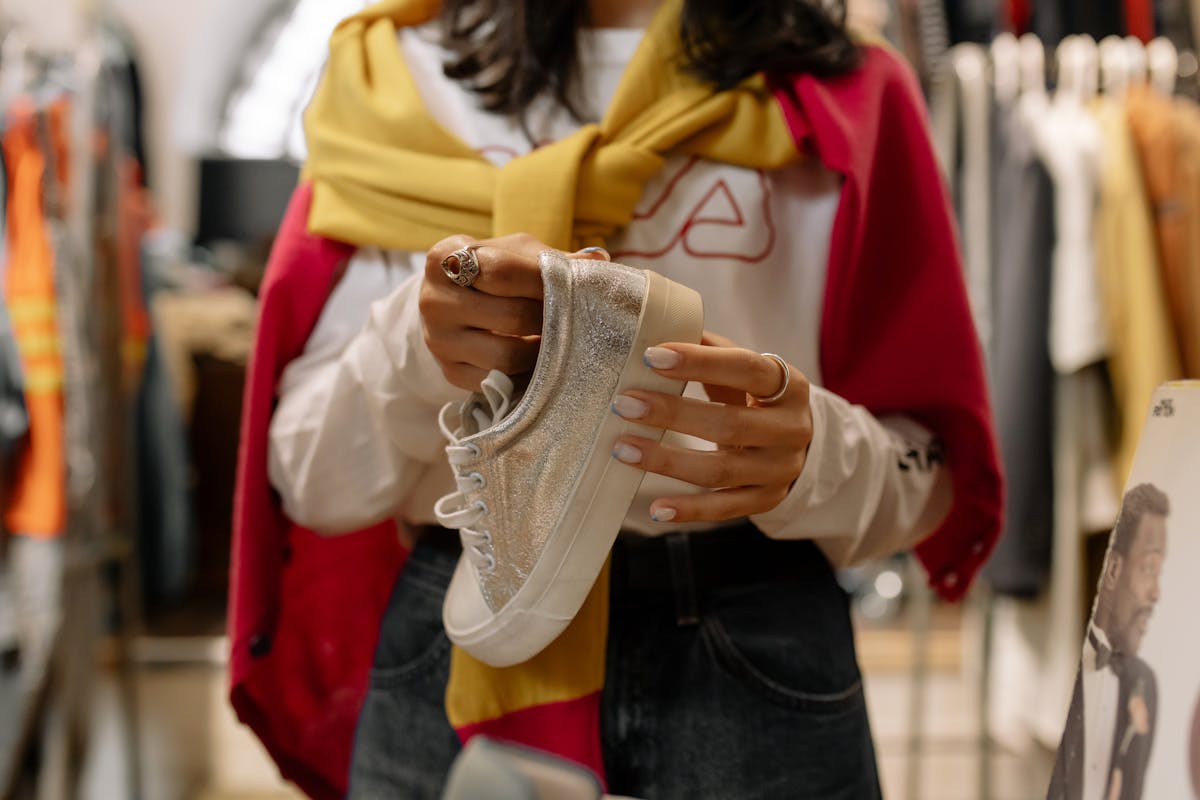

Accessories design is a specialized domain within the fashion industry focusing on the creation and innovation of items that complement and enhance personal style and functionality. This field encompasses a wide range of products including jewelry, bags, belts, shoes, hats, scarves, glasses, and more. It involves not only the aesthetic and artistic aspects but also practical considerations such as materials, production processes, and usability.
Importance of Accessories in Fashion
Accessories play a pivotal role in fashion by acting as the perfect finishing touch to any ensemble. They provide an opportunity to express individuality and style or completely transform the overall look of an outfit. Historically, accessories have been used to denote status, identity, and cultural affiliation. For instance, jewelry can simultaneously serve as a symbol of wealth and a personal statement.
The Design Process
Creating accessories typically unfolds through a series of essential phases:
Research and Trend Analysis: Designers need to stay closely aligned with worldwide fashion movements, cultural shifts, and emerging technologies to anticipate which styles or materials are likely to appeal to consumers.
Conceptualization: This phase involves brainstorming and sketching initial ideas. Designers often seek inspiration from a wide array of sources, including art, nature, history, and technology, to bring unique concepts to life.
Material Selection: Choosing the right materials is crucial for both the functionality and aesthetics of the final product. Materials could range from luxurious fabrics like silk and leather to sustainable options such as recycled metals and vegan leather.
Prototyping: After finalizing the design concept and materials, designers create prototypes. This step tests the design’s practicality and appeal, allowing for adjustments before production.
Production: Once prototypes prove successful, they move into the production phase, where teams work closely with manufacturers to bring the final product to life. During this stage, rigorous quality checks are carried out to confirm that the completed accessory aligns with design specifications and meets consumer expectations.
Case Studies in Accessories Design
Several designers have revolutionized the field of accessories design with innovative approaches:
Gucci’s Reimagined Sneakers: Emphasizing sustainability, Gucci has introduced multiple sneaker collections crafted from biodegradable and recycled components, appealing to environmentally aware shoppers while preserving the brand’s signature high-fashion prestige.
Fossil’s Smartwatches: Fossil has successfully integrated technology with style by developing a line of smartwatches that combine the functionality of wearable tech with the aesthetic appeal of traditional timepieces. This project highlights the increasing convergence of fashion and technology in modern accessories design.
Stella McCartney’s Vegan Leather Bags: Celebrated for her dedication to eco‑friendly fashion, Stella McCartney offers a collection of luxury handbags crafted from vegan leather. Her designs push back against the conventional dependence on animal-based materials in high-end accessories, redefining the standards consumers now anticipate.
The Evolving Landscape of Accessories Design
As the fashion industry continues to evolve, accessories design increasingly stretches creative limits, shaped by technological progress and changing consumer values. As environmental awareness rises, designers place greater emphasis on sustainable and ethical approaches. Breakthroughs like 3D printing introduce fresh opportunities to personalize and optimize manufacturing workflows, allowing easier adjustments to meet individual consumer preferences.
Contemplating the significance of accessories design highlights a vibrant discipline where inventive flair meets practical purpose and cultural influences intersect with innovation, opening limitless avenues for expressing identity while propelling the fashion industry forward.