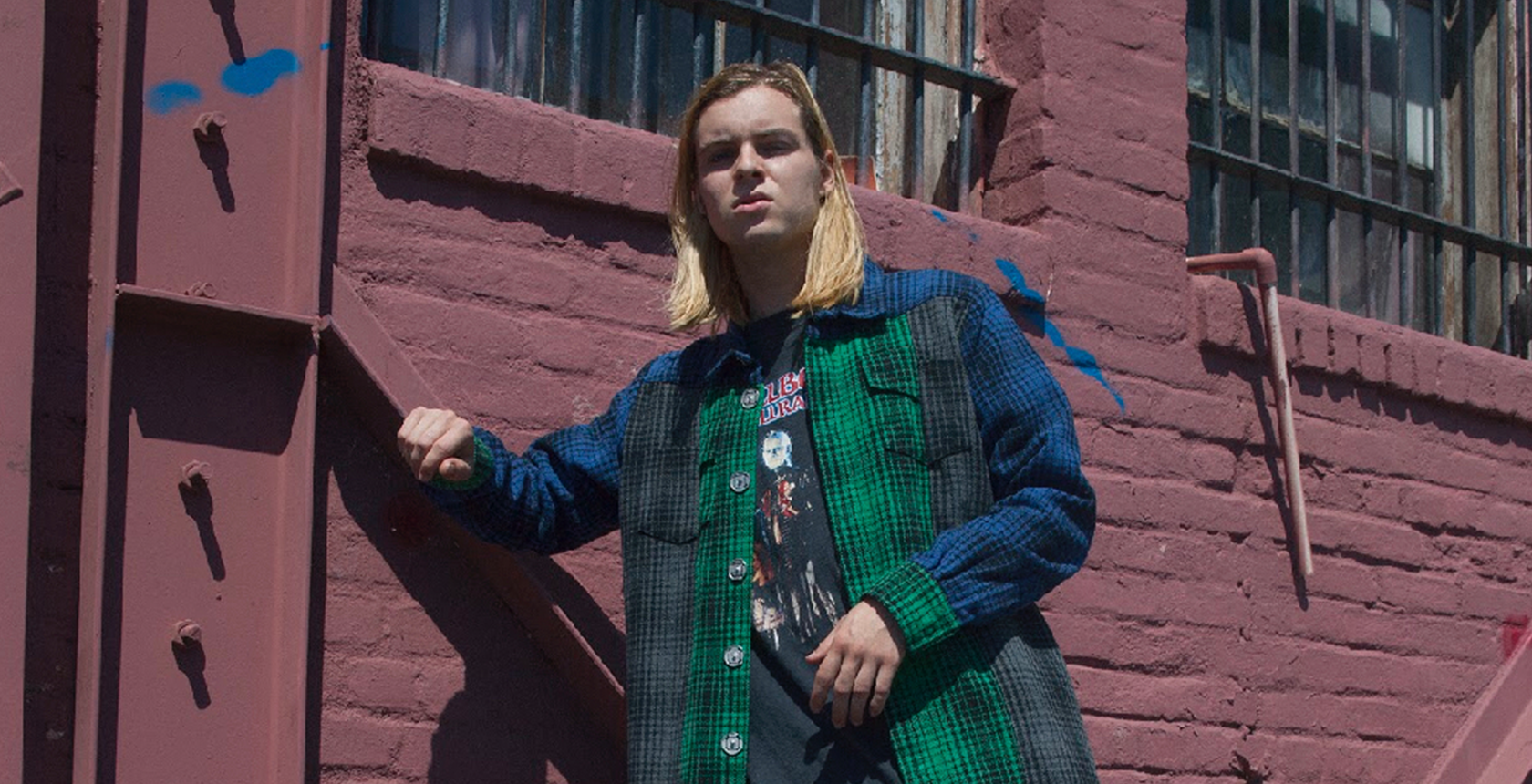
The grunge style surfaced in the early 1990s as a distinctive aesthetic shaped heavily by the grunge music scene in Seattle, defined by its deliberately rough, unrefined appearance that challenges mainstream fashion conventions and reflects an anti-consumerist stance. This cultural force has left a lasting mark on fashion, music, and wider cultural trends, making it a fascinating area of exploration for anyone drawn to the connections between style and subculture.
The Emergence of the Grunge Aesthetic
The roots of grunge style can be traced back to the Seattle music scene during the late 1980s. Bands like Nirvana, Pearl Jam, and Soundgarden not only shaped the music tastes of a generation but also set the tone for the visual aspect of grunge. These musicians often wore second-hand clothing, not as a fashion statement but as a practical choice. The intention was to reflect authenticity and a no-frills attitude, effectively rejecting the glamour of the 80s rock and pop scenes. Grunge style, therefore, was informed by a gritty urban aesthetic, prioritizing comfort and functionality over the flashiness that had dominated previous decades.
Key Elements of Grunge Fashion
At its core, grunge fashion incorporates several distinct elements that create its iconic, effortlessly «unfashionable» look:
Layering: One of the hallmarks of grunge style is the use of layers. Common combinations might include flannel shirts or oversized cardigans worn over band t-shirts, often coupled with ripped jeans. Layers are not only practical for the often rainy Seattle weather but also serve as an expression of individuality.
Material Choice: Grunge style utilizes durable and comfortable materials such as denim, flannel, and leather. These materials reflect a utilitarian attitude. Apparel often looks worn or faded, enhancing the aesthetic of nonchalant rebellion.
Footwear: Combat boots, particularly Dr. Martens, and worn-out sneakers are quintessentially grunge. These choices complement the rugged, down-to-earth atmosphere that the style is known for.
Accessories: Grunge-style accessories stay minimal yet intentional, with pieces like beanie hats, chokers, and torn tights subtly enriching the look without overshadowing it.
The Cultural Influence of the Grunge Aesthetic
Beyond the realm of fashion, grunge style has provided a visual language for an entire ethos that challenges societal expectations and norms. In the 1990s, it played a pivotal role in democratizing fashion, empowering individuals to embrace authenticity. Grunge also prompted the industry’s move towards «casual» as an acceptable dress code in numerous professional settings.
This style has also reemerged in various forms over the years, influencing other subcultures and fashion trends like punk revival and the hipster movement. The cyclical nature of fashion means that grunge continues to be reinvented while maintaining its fundamental principles.
The Contemporary Take on Grunge
Today’s understanding of grunge style merges its early ideals with modern influences, as fashion designers weave grunge-inspired details into upscale collections, pairing rough accents with refined materials and silhouettes, while streetwear steadily embraces its signature layering and unpolished energy, underscoring the style’s lasting allure.
Incorporating modern elements, such as sustainable and ethical fashion choices, grunge style has evolved without losing its essence. Vintage shopping and upcycling resonate with the grunge legacy, embracing environmental consciousness within the theme of rejecting consumerism.
Grunge style serves as a reminder of fashion’s ability to act as a cultural beacon, and exploring its origins and progression offers a window into wider social shifts across recent decades. What began as a rejection of mainstream fashion has evolved into an enduring force, disrupting norms and continually motivating emerging generations. The ongoing exchange between authenticity and flexibility keeps grunge style pertinent in a world where sartorial expectations are always in flux.