
Facing a decline in local recruitment, Moscow reportedly sought foreign fighters, often through deception or pressure, enticing them with financial incentives and citizenship to participate in the conflict in Ukraine.
Russian authorities are reportedly increasing efforts to replenish their ranks by recruiting foreign fighters for the invasion of Ukraine. Rather than relying solely on patriotic volunteers, Moscow is said to increasingly depend on individuals from countries across Asia, Africa, Latin America, and the Middle East. Many recruits are drawn through promises of high pay, citizenship, or civilian employment—only to be deployed to combat zones under pressure.
The reliance on international workers has surged considerably as domestic hiring within Russia has decreased. Monetary inducements and misleading contractual arrangements have sparked worries regarding human rights abuses and the mistreatment of susceptible people.
A growing reliance on foreign fighters
Russia’s efforts to bolster its military forces appear motivated by a sharp drop in domestic enlistment. Recruitment centers in major cities have reportedly seen significant declines in volunteer numbers, prompting authorities to focus on foreign nationals. Tens of thousands of recruits from Central Asia, Africa, Southeast Asia, and Latin America are said to have joined Russian units.
Reports suggest that over 1,500 foreign fighters from more than 40 nations have been enlisted in the last year, with many processing through provisional recruitment hubs prior to their assignment. Certain countries, such as Cuba, are said to have supplied a substantial number of these recruits. While these individuals are frequently offered salaries and perks, a significant portion later claim they were misinformed regarding the specifics of their duties and the circumstances they would encounter.
Coercion, deceptive pledges, and obscure hiring strategies
Investigations suggest that coercion and deception are integral to Russia’s recruitment strategy. Some recruits are promised civilian employment or legal residency in Russia but are redirected to military service upon arrival. Contracts are often written in Russian, a language many recruits do not understand, raising serious questions about informed consent.
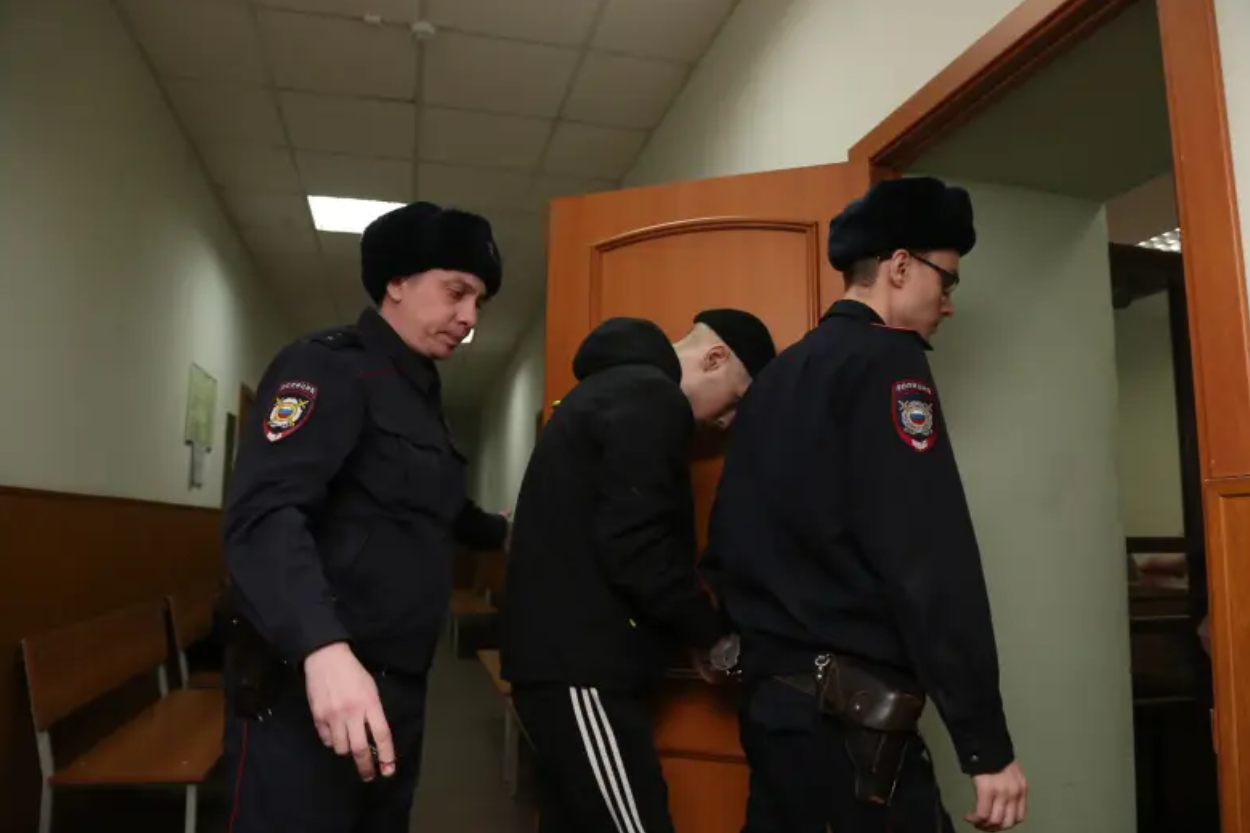
Authorities reportedly offer cash bonuses to police and intermediaries who recruit detainees into military service, sometimes framing enlistment as a way to avoid prosecution. In addition, recruiters often target individuals through false promises of jobs such as drivers, warehouse workers, or guards, only to place them directly into military units and combat roles.
Humanitarian and ethical implications
The enlistment of international combatants presents significant ethical and humanitarian dilemmas. A considerable number of these individuals join due to financial hardship, not because of strong ideological beliefs. Upon deployment, they often encounter severe circumstances, delayed or unpaid wages, and elevated fatality rates.
These actions have garnered global disapproval, with specialists comparing them to types of human trafficking. The exploitation of susceptible people through trickery or force contravenes humanitarian standards and threatens to destabilize the areas from which these individuals are recruited. Originating nations frequently lack the capability to adequately oversee or intervene, and the covert character of recruitment networks makes accountability challenging.
Global response and strategic risks
The international response has been cautious but increasingly attentive. Kyiv has emphasized the use of foreign mercenaries as evidence of Moscow’s difficulty sustaining its war effort. Governments are examining legal frameworks and travel advisories for citizens who join foreign armed forces.
Reliance on foreign fighters also carries operational risks. Poor training, language barriers, and cultural differences can undermine combat effectiveness and cohesion within units. Overreliance on mercenaries may erode discipline and increase vulnerability to strategic setbacks.
The long-term consequences for surviving recruits are uncertain. Many may return home traumatized, without compensation or support, while the precedent of mobilizing impoverished individuals for combat could influence future conflicts.