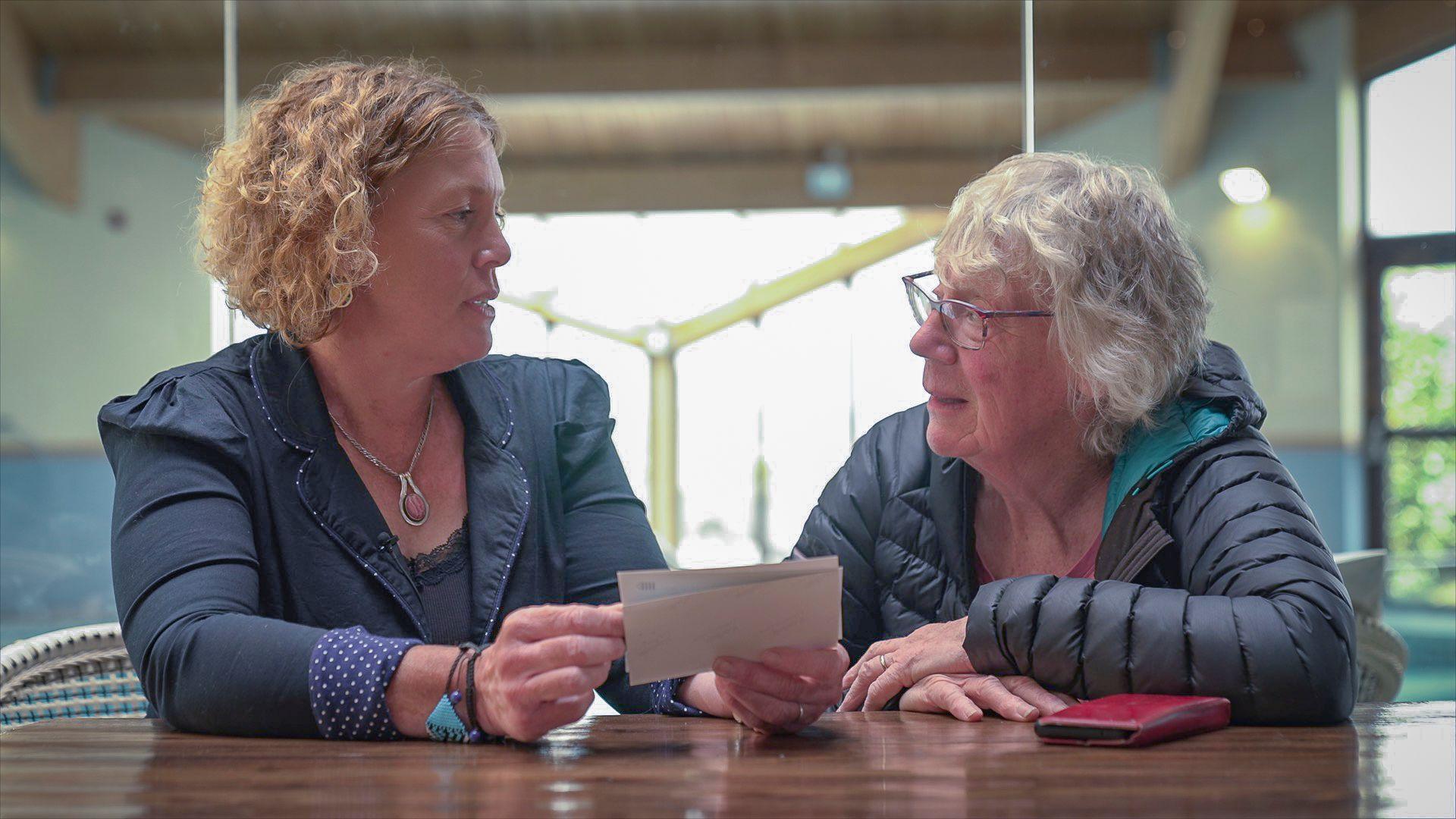
A household previously linked to the author of The Salt Path has expressed their dissatisfaction, stating that trusting the author led to a significant regret. Their grievances reveal a more intricate narrative behind the highly praised memoir, which details a couple’s voyage of endurance and exploration on the South West Coast Path in England.
Although The Salt Path has garnered extensive praise for its uplifting story and genuine depiction of personal struggles, the mentioned family claims that the reality behind the tale might be more complex than it is presented in the book. They assert that the confidence they placed in the author both during and after the book’s creation was misguided, causing emotional distress and strained relationships.
The writer, known for having impacted numerous readers globally, gained fame following the triumph of the book. The autobiographical book describes a period marked by living without a home, monetary hardships, and personal recovery through nature, evoking empathy and respect from both audiences and reviewers. Yet, behind this captivating tale, some former close associates of the author are now sharing another viewpoint—one that is not as prominent amidst the acclaim.
According to family members, their involvement in the author’s life during the events described in the book was downplayed or omitted entirely. Some feel their support and presence were not adequately acknowledged, while others believe they were misrepresented or ignored. This perceived erasure has caused lingering tension and a sense of betrayal, particularly as the book and its sequels found commercial success.
Their frustrations are compounded by what they describe as a lack of communication following the book’s publication. The sudden transformation of a private experience into a public narrative reportedly left them feeling sidelined and exposed. Although memoirs are inherently personal, the family argues that when real people are included—or excluded—they deserve fair treatment and transparency, especially when the work gains widespread attention.
Literary experts note that this type of conflict is not uncommon in memoir writing. The nature of personal storytelling often involves selecting specific experiences, sometimes simplifying or dramatizing events for narrative effect. In doing so, authors may unintentionally (or deliberately) reshape the role of others in their lives, creating tension between artistic expression and relational responsibility.
In this case, the family’s dissatisfaction appears rooted not only in the story itself but also in how the story has been perceived. The warm public reception of The Salt Path has, in their view, made it difficult to voice their concerns without seeming combative or ungrateful. Yet they insist their motivation is not to discredit the author’s experience but to share a fuller picture—one they feel has been overlooked in the retelling.
They also raise broader questions about authenticity and accountability in memoirs. When personal stories become public property, the individuals featured—whether directly or through omission—often lose control of how they are portrayed. This can be painful, particularly if the depiction feels inaccurate or unfair.
To address these challenges, a number of publishing experts suggest adopting a more cooperative method in composing memoirs, urging writers to consult with individuals featured in their narratives. Although not a legal obligation, this approach can diminish misinterpretations and cultivate mutual respect. Conversely, some maintain that memoirs inherently depict the author’s recollection and viewpoint, making it impossible to encompass all perspectives.
Up to this moment, the writer of The Salt Path has not issued a public reply to the family’s remarks. Considering the book’s success in literature and its role as a source of motivation for numerous individuals, any straightforward remarks might ignite a broader public discussion. Nonetheless, this situation highlights a common issue faced by numerous nonfiction authors: balancing the portrayal of one’s personal experiences while also being mindful of those who’ve shared the path.
As the family continues to process their emotions, they emphasize that their intention is not to diminish the value the book has had for readers. Instead, they hope to shed light on the complexities that sometimes lie beneath celebrated narratives. In doing so, they invite a broader conversation about the responsibilities of authors who write about real lives—not just their own.
This story serves as a reminder that behind every published memoir are layers of untold perspectives. As readers, engaging with such works thoughtfully means acknowledging that even the most heartfelt stories are still interpretations of events, not definitive truths. For those whose lives intersect with those narratives, being left out—or inaccurately portrayed—can leave lasting emotional consequences.
As memoirs continue to shape our understanding of resilience, identity, and human connection, the experiences of those in the background deserve attention, too. In the case of The Salt Path, the author’s journey may have captivated the world, but for the family left feeling misrepresented, the road has been far less healing.